

 See My Latest Article on HelloNation
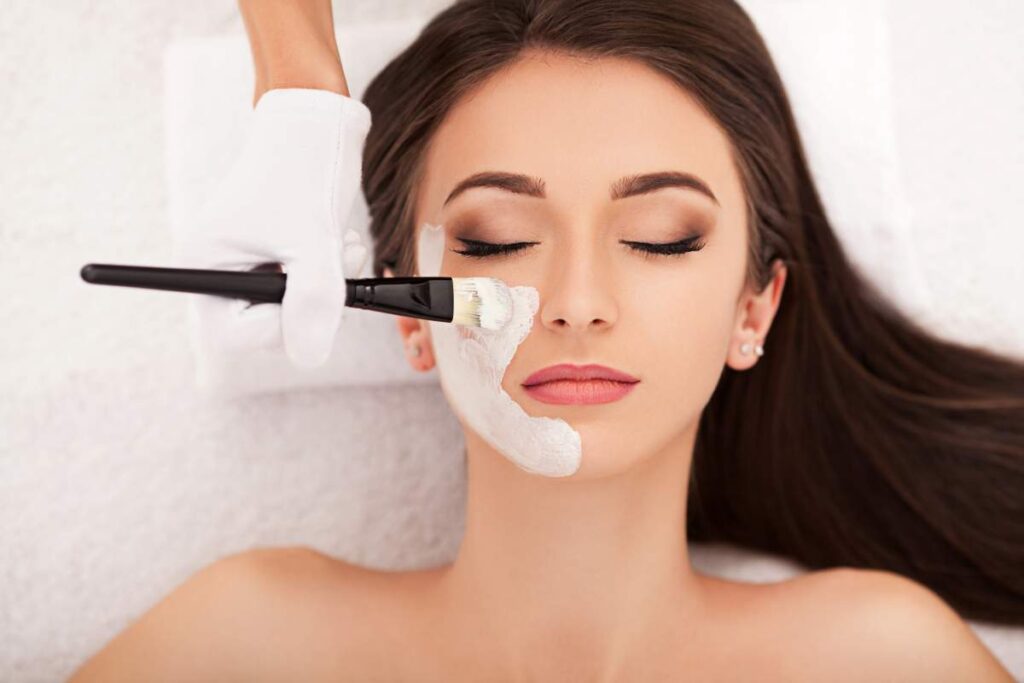
A med spa facial may be worth the cost if it provides a clearly defined benefit, uses an appropriate treatment for the skin concern, and includes enough professional assessment to justify the added expense. For many people, however, a standard facial produces temporary improvements that can also be supported by consistent home care.
The value depends less on the word “medical” and more on what the treatment actually includes, who performs it, how safely it is delivered, and whether the expected result matches the price.
What does a med spa facial usually include?
A med spa facial can refer to several different treatments rather than one standardized service. A basic session may include cleansing, exfoliation, extractions, a mask, moisturizer, and sun protection. More advanced options may involve:
- Microdermabrasion
- Superficial chemical peels
- Dermaplaning
- LED light therapy
- Hydrating or brightening treatments
- Microneedling, which is more accurately considered a medical procedure than a traditional facial
The depth and risk can vary substantially. A relaxing facial designed to temporarily improve softness and brightness is not equivalent to a peel intended to address acne, pigmentation, or uneven texture.
Before paying, ask for the exact name of the treatment, the active ingredients or device being used, expected downtime, and the number of sessions typically needed.
What benefits are realistic?
Med spa facials can improve the skin’s short-term appearance and, in some cases, support longer-term changes through a series of treatments. Common potential benefits include smoother texture, temporary radiance, reduced surface oil, softened rough patches, and modest improvement in the appearance of clogged pores.
Microdermabrasion gently removes some of the outermost dead skin cells. It may make the complexion look more even and polished, but results are generally temporary and often require repeated sessions. Superficial chemical peels may help with mild discoloration, dullness, or certain forms of acne, although results depend on the peel strength, skin type, and aftercare.
A facial is less likely to provide major improvement for deep acne scars, pronounced wrinkles, significant sagging, persistent rosacea, or suspicious skin growths. Those concerns may require medical evaluation or a different treatment plan.
A useful question is: What specific change should be visible, and how long is it expected to last? If the answer is only “glowing skin” for a few days, the treatment may be better viewed as a personal-care expense rather than a corrective medical investment.
When is the higher price justified?
The added cost may be reasonable when the service includes careful screening, individualized treatment selection, appropriate equipment, and clear follow-up instructions. Professional judgment is particularly valuable for people with sensitive skin, melasma, darker skin tones prone to post-inflammatory hyperpigmentation, active acne, eczema, or a history of cold sores.
A higher price may also reflect medical oversight, sterile technique, staff training, regulated devices, and a documented plan for managing complications. Those factors do not guarantee a good result, but they are more meaningful than an impressive treatment name or a long list of included products.
A facial is less likely to be worth the cost when the treatment is sold as a cure-all, the provider cannot explain the ingredients or device, the same procedure is recommended for everyone, or the package requires many prepaid sessions before the first treatment has been evaluated.
How much should residents budget?
Prices vary by treatment depth, equipment, provider qualifications, and whether the service is a single session or a package. Basic facials generally cost less than device-based treatments or chemical peels. The total cost can rise quickly if a series is needed, if products are required afterward, or if downtime affects work and outdoor activities.
Instead of comparing only the advertised session price, consider the full expense:
- Number of sessions likely to be needed
- Products required before or after treatment
- Travel and time away from work
- Possible follow-up care if irritation occurs
- Whether maintenance treatments will be needed
- Whether the result addresses the concern better than a simpler routine
Cosmetic facials are usually not covered by health insurance. A treatment that improves appearance but does not address a diagnosed medical condition is generally an out-of-pocket expense.
Does the local climate affect the decision?
Yes. Colorado Springs has a high-altitude, relatively dry environment with strong sunlight and seasonal wind. That combination can increase dryness, irritation, and sensitivity after exfoliating treatments. Outdoor recreation, winter weather, and frequent exposure to bright sun can also make aftercare more important.
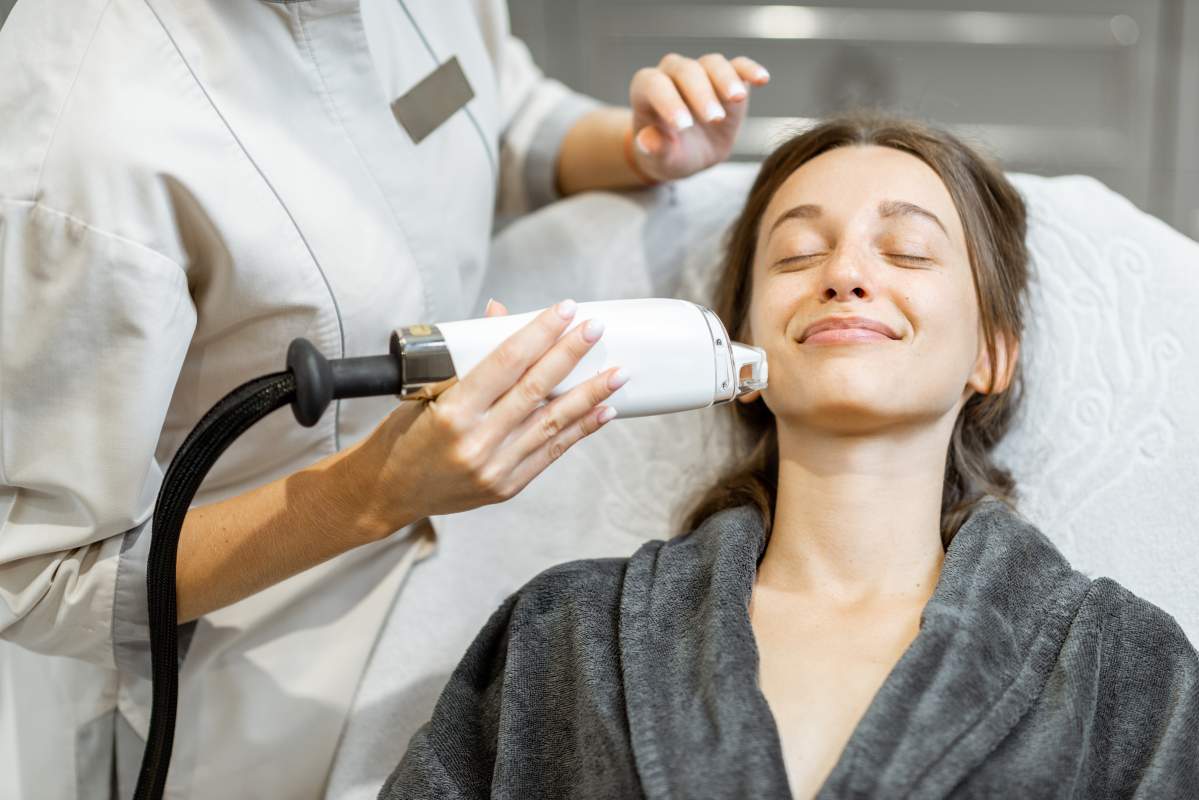
After many facials, especially peels and exfoliating procedures, the skin may be more sensitive to ultraviolet exposure. Daily broad-spectrum sunscreen, gentle cleansing, and regular moisturizing are often more important to the final result than adding another treatment immediately.
Scheduling a peel or aggressive exfoliation just before a long outdoor event may be inconvenient or unwise. Wind, cold air, sweating, and sun exposure can aggravate freshly treated skin.
What safety questions should be asked?
A reputable setting should be able to explain who performs the treatment, what training or license applies, and whether a physician or other qualified medical clinician is involved when the procedure falls within medical practice.
In Colorado, superficial exfoliative therapies such as microdermabrasion and other superficial skin treatments are distinguished from procedures that alter living tissue more deeply. Lasers, certain light-based devices, injections, and other tissue-altering procedures may be medical-aesthetic services subject to physician delegation and supervision requirements.
Ask these questions before treatment:
- What conditions would make this procedure unsafe?
- Should retinoids, acne medications, or exfoliating products be stopped?
- What happens if the skin burns, blisters, or becomes infected?
- Is a patch test appropriate?
- Who can evaluate a complication?
- What are the written aftercare instructions?
- Is the person performing the service licensed for that specific procedure?
Chemical peel products with high acid concentrations should not be used casually at home. Improper strength, timing, or application can cause burns, infection, pigment changes, and scarring.
Who should postpone or avoid a facial?
Treatment may need to be delayed during an active flare of eczema, psoriasis, rosacea, cold sores, or severe inflammatory acne. People who scar easily, develop dark marks after minor injuries, or recently used isotretinoin should receive individualized medical guidance before procedures that exfoliate or injure the skin.
A changing, bleeding, or nonhealing spot should not be treated as a cosmetic blemish. A facial can conceal a skin problem and delay appropriate evaluation.
Pregnancy, breastfeeding, allergies, prescription medications, and recent cosmetic procedures may also affect which ingredients or devices are appropriate.
So, are med spa facials worth it?
Med spa facials can be well worth the cost when they’re matched to the right goal, such as brighter-looking skin, gentle exfoliation, or a carefully selected treatment for a mild concern. Results depend heavily on the skill, training, and experience of the provider, so choosing a qualified professional who takes time to assess your skin and set clear expectations is one of the best ways to get value from your visit. Facials work best as part of ongoing skin health; for concerns like deep scarring, significant lifting, or a suspected skin condition, a skilled provider can also explain which treatments are appropriate and when a medical evaluation makes sense.
A med spa facial should be considered a discretionary skin-care service—not automatically a medical necessity and not automatically superior to basic care.