

 See My Latest Article on HelloNation
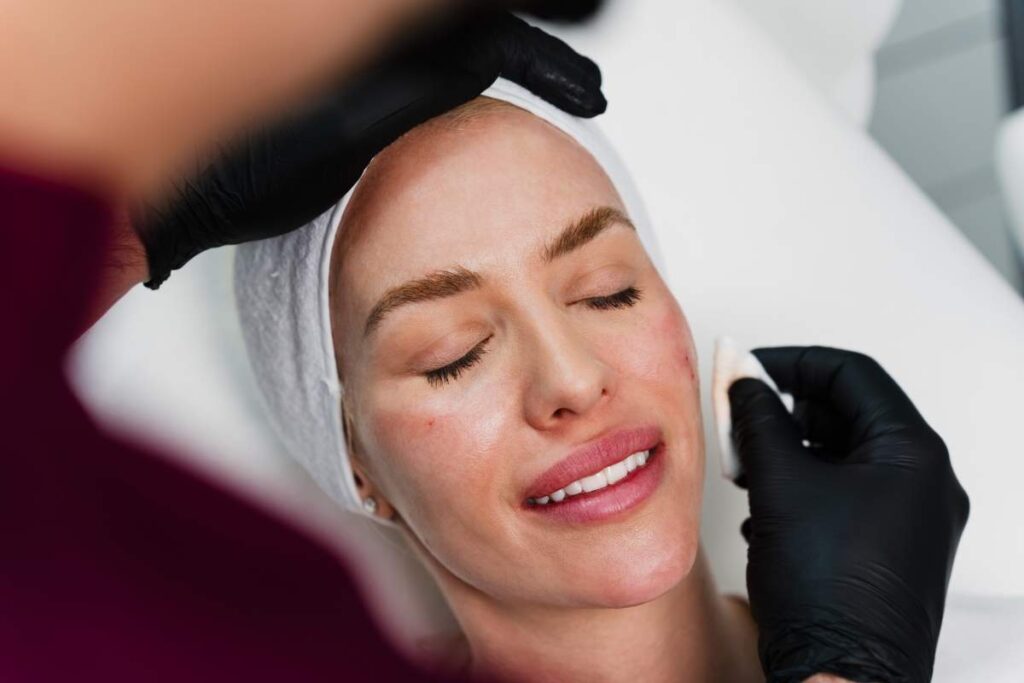
What Is Dermaplaning and How Is It Performed?
Dermaplaning is a manual exfoliation technique where a sterile surgical blade is gently moved across the surface of clean, dry skin to remove dead skin cells and fine vellus hair—often called "peach fuzz." Typically, this process is completed in a professional setting under controlled conditions to ensure safety and optimal results. The experience usually takes about 30 minutes, with no downtime afterward.
While the concept is straightforward, not all exfoliation is the same. The goal of dermaplaning is to refresh the skin’s texture and provide an instantly smoother feel—without chemicals or invasive measures.
Is Dermaplaning Safe?
When performed correctly by a trained provider, dermaplaning is generally safe for most skin types, including sensitive skin. The procedure is non-invasive and does not break the skin barrier. However, it may not be suitable for individuals with active acne, open wounds, severe rosacea, or inflammatory skin conditions, as the blade can irritate or spread bacteria.
Potential side effects can include temporary redness, minor sensitivity, and, in rare cases, small nicks or scrapes. The risk of infection is low when sterile tools are used and the skin is cleansed beforehand. In dry climates like Colorado Springs, proper aftercare—such as using moisturizer and sunscreen—is especially important to prevent irritation and dryness.
Does Dermaplaning Really Work to Improve Skin?
Dermaplaning does immediately make the skin feel smoother and can visibly brighten the complexion by removing the top layer of dead skin cells and fine hair. Makeup tends to sit more evenly on the face afterward, and many people report a more radiant appearance.
However, dermaplaning's primary effects are superficial. It does not address deeper wrinkles, scars, or pigmentation in the same way as chemical peels or laser treatments. Its main benefits include:
- Smoother-feeling skin
- Slight improvement in skin texture
- Enhanced glow and makeup application
- Temporary removal of fine facial hairs
These effects can last from one to three weeks, depending on skin cell turnover and hair growth rates.
Are There Unique Considerations for Dermaplaning in Colorado Springs?
The dry, high-altitude climate in Colorado Springs increases the risk of post-exfoliation dryness or sensitivity. Residents should be aware:
- Hydration is key—use gentle, fragrance-free moisturizers and drink extra water after treatment.
- Sun protection is even more crucial at altitude, as the skin may be more sensitive to UV damage following exfoliation.
- Indoor heating in colder months can also enhance post-treatment dryness.
Anyone living in Colorado Springs with frequently dry, irritated, or eczema-prone skin may need to adjust their skin care regime after dermaplaning to maintain the skin barrier.
Does Facial Hair Grow Back Thicker After Dermaplaning?
A common misconception is that shaving or removing fine facial hair will make it grow back thicker or darker. Dermaplaning only shaves the vellus hair at the surface; it does not alter the root or follicle. Following treatment, hair grows back at its normal rate and texture. Local residents who regularly perform dermaplaning over months do not typically see changes to hair type. Coarse facial hair or hormonal hair growth is not affected by this procedure.
What Aftercare Is Recommended, Especially Locally?
After dermaplaning, the skin is more receptive to both beneficial products and potential irritants. For those in Colorado Springs, aftercare recommendations include:
- Apply a gentle, hydrating moisturizer immediately after the procedure and for the next several days.
- Avoid direct sun exposure and use broad-spectrum sunscreen daily—especially given the area’s increased UV index.
- Refrain from using retinoids, acids, or exfoliating scrubs for at least 48 hours.
- Avoid activities that may introduce bacteria to the skin, such as heavy sweating or touching the face with unwashed hands.
Because Colorado Springs experiences low humidity and high winds year-round, maintaining a strong moisturizing routine is crucial for supporting the skin barrier after exfoliation.
How Often Should Dermaplaning Be Done?
Most experts recommend dermaplaning every three to four weeks, which aligns with the average skin cell turnover rate. Overdoing it can lead to increased sensitivity or disruption of the skin’s protective barrier, especially in environments with harsh weather. Listening to your skin and spacing treatments appropriately helps maintain longer-term skin health.
Who Should Avoid Dermaplaning?
Not everyone is an ideal candidate for this treatment. Individuals with chronic inflammatory skin issues, active infections, or a history of keloid scarring should consider alternative exfoliation options or consult with a licensed dermatologist. Residents undergoing certain medical treatments or using prescription-strength topical medications should check with their provider before proceeding.