

 See My Latest Article on HelloNation
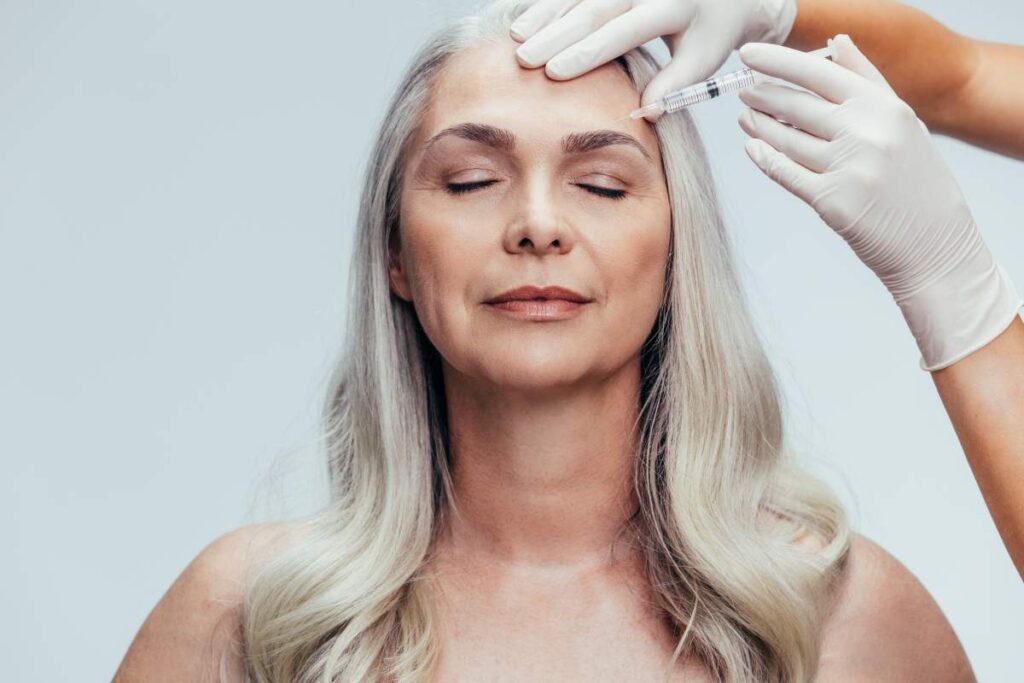
What Is Hyperpigmentation and Why Does It Happen?
Hyperpigmentation refers to darker patches or spots on the skin, caused by an increase in melanin. This color change can appear as freckles, age spots, melasma, or post-inflammatory marks from acne or injury. Colorado Springs, CO residents may notice hyperpigmentation more easily due to the region’s high elevation and strong UV exposure, which can intensify sun-related skin changes.
Common root causes include:
- Sun exposure
- Hormonal changes (such as pregnancy or birth control)
- Skin inflammation or trauma (like cuts, burns, or acne)
- Certain medications
Which Treatments Are Commonly Used for Hyperpigmentation?
There are a variety of approaches, ranging from topical products to minimally invasive treatments. Most address the overproduction or distribution of pigment in the skin.
Examples frequently used in Colorado Springs include:
- Topical creams with ingredients like hydroquinone, retinoids, azelaic acid, kojic acid, or vitamin C, which lighten or even out skin tone
- Chemical peels (using acids such as glycolic, salicylic, or lactic acid) that remove the outer layer of skin, helping fade pigmentation
- Laser therapy, especially types designed for pigment correction (like intense pulsed light – IPL, or fractionated lasers)
- Microneedling, which boosts skin turnover and can disperse pigment
- Gentle exfoliation methods to enhance skin renewal
Do Home Remedies Work for Hyperpigmentation?
Basic home methods can sometimes help mild discoloration, but they tend to be slower and less dramatic compared to professional options available in city-area med spas and dermatology clinics. Residents sometimes try:
- Broad-spectrum sunscreen for daily prevention and to avoid darkening existing spots
- Over-the-counter creams with ingredients like niacinamide or licorice extract
- Simple antioxidant serums, such as vitamin C, for gradual improvement
However, persistent or pronounced pigmentation typically doesn’t resolve fully without stronger treatments. Some natural remedies suggested online may not be effective, and a few—like lemon juice—can actually worsen irritation or sun sensitivity, particularly in a high-altitude climate like Colorado Springs.
How Do Colorado Springs Conditions Affect Hyperpigmentation?
The combination of high elevation, more intense UV rays, and dryness in the area can make pigmentation worse or slow the results of lightening treatments. Protecting the skin is especially important.
Local residents can help minimize risk and support recovery by:
- Wearing broad-spectrum SPF 30+ every day, even in winter and cloudy weather
- Using hats or sun-protective clothing when outdoors, especially during midday hours
- Moisturizing regularly, as dry skin can worsen discoloration and irritation from active treatments
- Being cautious with home exfoliation; overuse can increase inflammation and pigmentation
People living in the area often find they need to pay more attention to year-round sun care compared to those at lower altitudes.
How Long Do Treatments Take to Show Results?
Results can vary based on the method used and the underlying cause of the discoloration. For most topical products and noninvasive procedures, visible improvement may take several weeks to months. In Colorado Springs, the strong sun makes consistent sunscreen use critical to maintain results and prevent recurrence.
A few typical timelines:
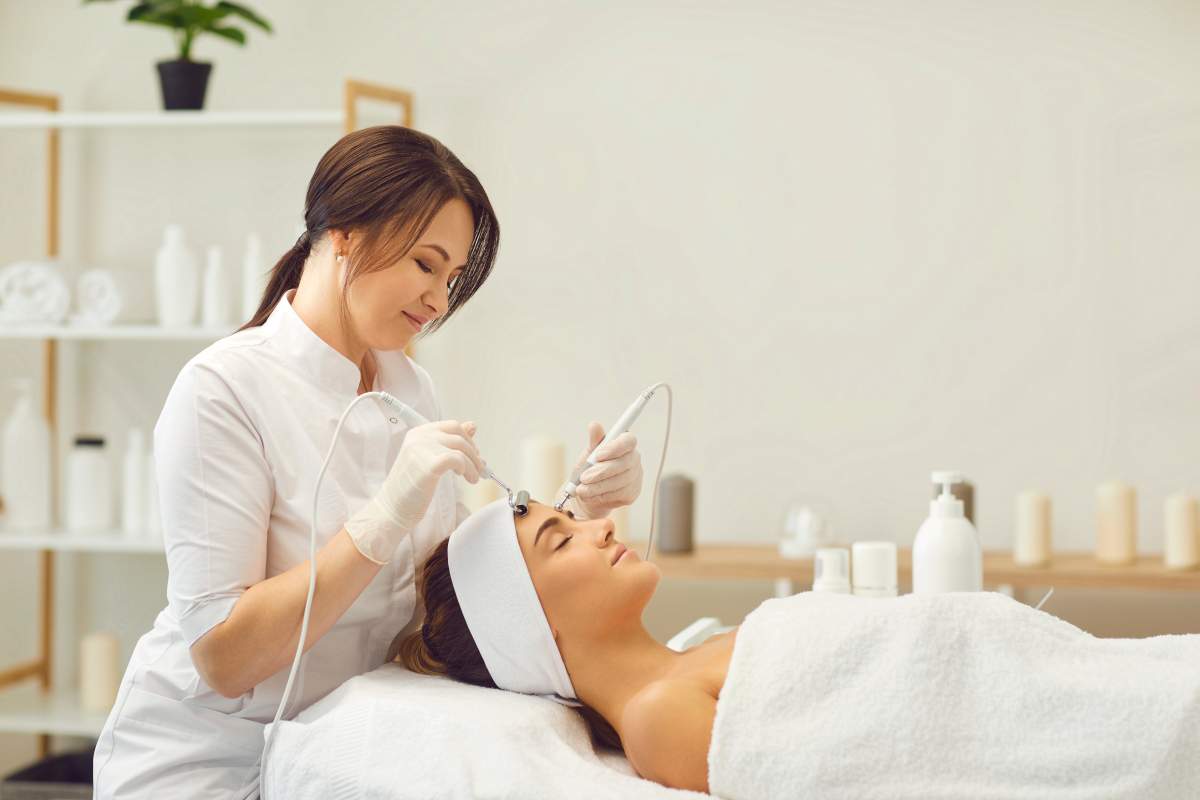
- Topical creams: Gradual lightening may appear in 8-12 weeks with consistent use
- Chemical peels: Mild-to-moderate pigment can fade within 2-3 treatments, spaced a few weeks apart
- Laser therapy: Results may emerge after 1-3 sessions, but some spots may need repeated treatment, and downtime can extend several days
People with more pronounced or stubborn cases—such as melasma or older sunspots—often require longer ongoing care.
Is Hyperpigmentation More Common in Certain Skin Types?
Individuals with medium to darker skin tones may be more likely to develop or notice hyperpigmented spots. This is due to higher baseline melanin production, which can react more strongly to injury or sun exposure. Lighter skin can also develop pigmentation, but the contrast may not stand out as much.
It is important to note that some treatments (especially aggressive peels or certain lasers) carry more risk of uneven coloring or irritation in darker skin types. Medical spas and skincare professionals in Colorado Springs typically assess personal history, skin type, and lifestyle before recommending a particular approach.
What Are Common Misconceptions About Treating Hyperpigmentation?
Several myths circulate about how hyperpigmentation can (or cannot) be managed:
- “All brown spots are permanent.” – Many spots can improve or nearly disappear with appropriate care and patience.
- “The sun only matters in summer.” – UV intensity remains high in Colorado Springs year-round, making daily protection essential.
- “Natural products are always safer.” – Some homemade remedies can irritate the skin and actually worsen discoloration or cause burns.
- “Scrubbing hard or using multiple products will fade spots faster.” – Over-exfoliating or mixing several active products can cause inflammation, leading to more pigmentation.
What Precautions Should Residents Take Before Starting Treatment?
Before beginning any at-home or professional regimen, it is wise to:
- Check existing skincare products for potential photosensitizers (ingredients that make skin more sensitive to sunlight)
- Introduce new products gradually to monitor for irritation or allergic reaction
- Remember that some treatments, like peels or lasers, may temporarily increase sensitivity to UV rays—extra precautions are needed during and after procedures
- Keep realistic expectations, as results depend on genetics, duration of the pigmentation, and consistency of care
Consultation with a qualified practitioner is recommended in cases of persistent, rapidly changing, or symptomatic skin lesions, to rule out other health concerns.