

 See My Latest Article on HelloNation
How Does Sun Damage Occur in Colorado Springs, CO?
Sun damage is a year-round skin concern for many local residents, even in Colorado Springs’ dry, high-altitude environment. Ultraviolet (UV) rays are more intense at higher elevations, which can accelerate aging and increase the risk of skin changes.
Sun exposure can lead to:
- Brown spots and uneven pigmentation
- Fine lines and wrinkles
- Rough or leathery texture
- Dilated blood vessels
Colorado Springs’ climate, with nearly 250 sunny days per year and reflective snow in winter months, heightens daily UV exposure. While sunscreen and hats offer crucial protection, repair becomes necessary when damage has already occurred.
What Medical Spa Solutions Can Address Sun Damage Safely?
Medical spa treatments, under proper supervision, can improve the appearance and health of sun-damaged skin. These solutions work by supporting the skin’s natural repair processes, exfoliating damaged layers, and encouraging collagen development.
Common, evidence-based treatments include:
- Chemical Peels: Controlled acid solutions remove damaged outer skin, revealing fresher cells beneath. Options range from light peels for mild unevenness to medium-depth peels that address more visible discoloration and texture issues.
- Microneedling: Tiny needles stimulate the skin to regenerate, targeting fine lines, hyperpigmentation, and rough patches.
- Laser Treatments: Light-based devices can break up brown spots, reduce redness, and boost collagen. BroadBand Light (BBL) and Fractional Laser are two approaches often used to even out skin tone and reduce visible aging.
- Medical-Grade Topicals: Prescription or high-potency topical products containing ingredients like retinoids, antioxidants, and hydroquinone may be recommended alongside in-clinic procedures to continue repair at home.
- HydraFacial and Similar Modalities: Devices that simultaneously cleanse, exfoliate, extract, and infuse serums support skin clarity and hydration—especially helpful in Colorado’s dry air.
Is Repairing Sun Damage at a Medical Spa Safe?
When performed by experienced professionals, most medical spa treatments for sun damage are safe for healthy adults. However, not all treatments are suitable for everyone. Some factors that determine safety and effectiveness include:
- Skin tone and type
- History of skin conditions like eczema or rosacea
- Current medications and health conditions
Local regulations require certain credentials for providers offering advanced treatments, which helps ensure procedures are performed safely. Residents should be aware that using spa-grade peels or lasers at home, or from unqualified providers, increases the risk of burns, infection, and scarring.
How Do High Altitude and Local Climate Affect Sun Damage Repair?
Colorado Springs’ unique climate presents both challenges and benefits for post-treatment care:
- Sun Intensity: Healing skin is especially vulnerable to new damage, so diligent sun protection (hats, daily SPF, shade) is critical before and after procedures.
- Dryness: Procedures like peels and lasers can increase dryness and flaking. Using bland, unscented moisturizers and humidifiers at home helps maintain comfort during healing.
- Seasonal Considerations: Many residents space more intensive treatments (like lasers or deep peels) for late fall or winter when UV exposure is typically lower, which minimizes the risk of complications.
What Results Can Be Expected—and What Are Common Misconceptions?
Many residents expect dramatic results after a single procedure, but realistic outcomes depend on the type and severity of sun damage, skin type, and chosen treatment. In most cases:
- Multiple sessions are needed to see significant improvement in discoloration and texture.
- Maintenance treatments or regular use of medical-grade topicals support long-term results.
- Lighter freckles or mottling may respond quickly, but deeper wrinkles and unevenness require ongoing management.
- Results build gradually over weeks as the skin naturally regenerates.
A common misconception is that procedures can fully "erase" sun-related aging; in reality, treatments can reduce visible signs, but cannot reverse all changes.
Are There At-Home Steps to Support Med Spa Sun Damage Repair?
Pairing medical spa procedures with a thoughtful home routine maximizes and extends results. Consider these habits:
- Daily broad-spectrum, SPF 30+ sunscreen—even when indoors or on cloudy days
- Regular use of antioxidant serums (such as Vitamin C) to help defend skin after treatment
- Gentle cleansing and fragrance-free moisturizers, especially during dry seasonal periods
- Avoiding tanning beds and intentional sunbathing, which can undo treatment benefits
Who Should Avoid Certain Med Spa Treatments?
Certain individuals may need to postpone or avoid specific procedures due to medical reasons. For example:
- Those prone to keloid scarring or with active skin infections
- People with certain autoimmune or connective tissue diseases
- Pregnant individuals (for some chemical agents or devices)
- Those with recent isotretinoin use, as this can affect skin healing
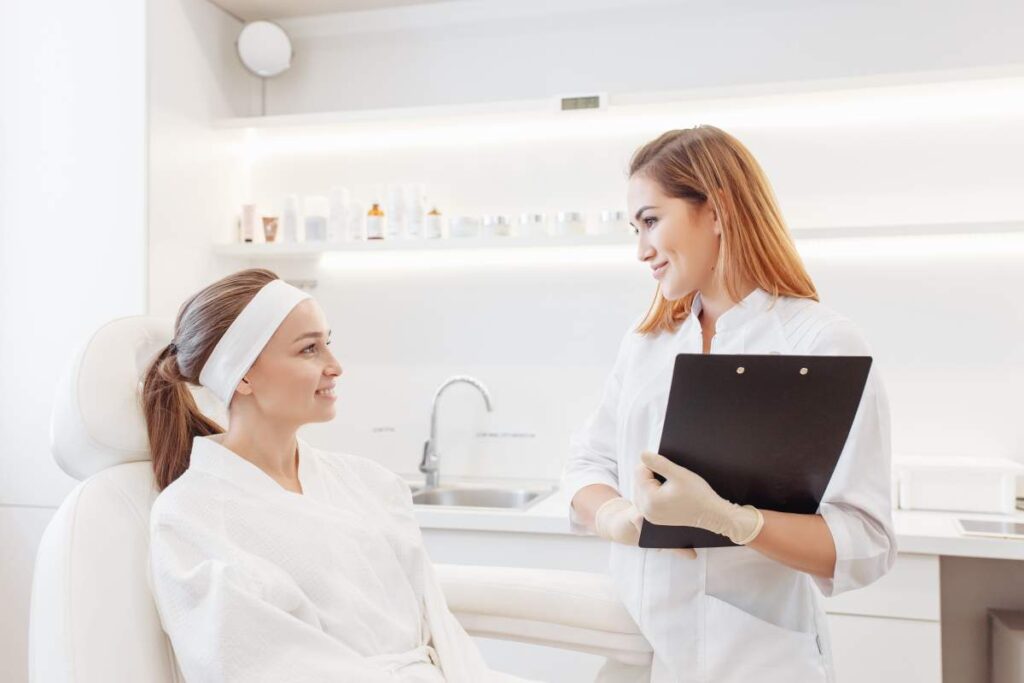
A thorough consultation and honest health history help determine which approach makes sense for each person’s situation.
What Should Residents Know Before Considering Medical Spa Sun Damage Solutions?
Colorado Springs residents often ask about cost, downtime, and expected discomfort associated with treatments. While specific experiences can vary:
- Many light chemical peels and facial devices have little to no downtime, but lasers and microneedling may involve redness, swelling, or peeling lasting a few days.
- Results and risks are best discussed in a medical consultation tailored to individual needs.
- Not all sun-related spots are harmless; spots that change rapidly, bleed, or don’t heal should be evaluated by a medical provider before considering cosmetic treatment.
Understanding available options, realistic outcomes, and how the local climate impacts healing helps community members make informed decisions about restoring and protecting sun-damaged skin.