

 See My Latest Article on HelloNation
What is Rosacea and Why is it Common in Colorado Springs, CO?
Rosacea is a chronic skin condition marked by facial redness, visible blood vessels, and sometimes bumps or irritation. The region’s unique climate—a mix of high altitude, low humidity, and frequent sun exposure—can heighten rosacea symptoms or trigger new flare-ups among local residents. Since these environmental factors are difficult to avoid, understanding available non-commercial options for managing rosacea symptoms is a practical concern for many in the area.
How Do Medical Spas Approach Rosacea Treatment?
Medical spas in Colorado Springs typically focus on reducing visible symptoms and helping residents identify common triggers. The most effective strategy combines professional treatments targeting redness, vascular changes, and inflammation, along with personalized home care recommendations. Treatments are adjusted to individual skin types, severity, and sensitivity.
Many people ask if these treatments are safe for sensitive or reactive skin. In most cases, licensed professionals use techniques and devices designed specifically to minimize risks for rosacea-prone complexions. For example, practitioners may perform spot tests or slowly introduce new modalities to reduce the chance of irritation.
What Are the Most Effective Treatments Used?
Several non-invasive treatments can address rosacea symptoms, though results may vary. Some commonly recommended procedures include:
- Intense Pulsed Light (IPL) Therapy: This technology uses pulses of light to target visible redness and dilate blood vessels. Local experience shows IPL is generally well-tolerated when started carefully and with lower settings, especially for sensitive skin types.
- Laser Therapy: Vascular lasers, such as pulsed dye or Nd:YAG lasers, are often used to treat persistent blood vessels or background redness. These treatments work by shrinking visible vessels but usually require a series of sessions for maximum effect.
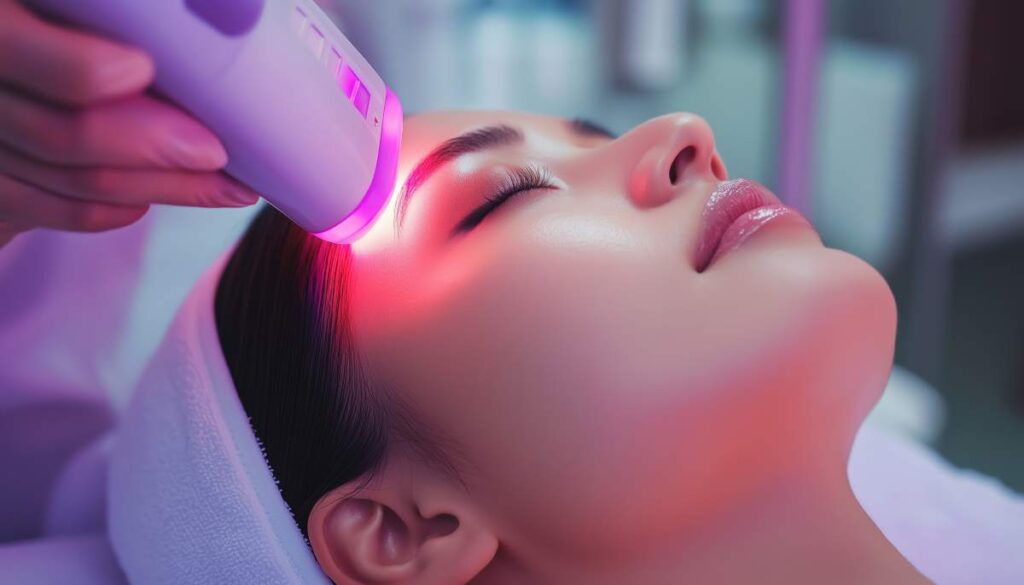
- Low-Level Light Therapy (LED): Some medical spas utilize LED devices that emit gentle, non-heating light to calm inflammation, reduce redness, and support skin repair mechanisms.
- Hydrating Facials with Soothing Ingredients: Professional-grade facials may include anti-inflammatory botanicals, niacinamide, and ceramides for barrier repair, rather than harsher exfoliants or active acids.
What Precautions Are Taken for Sensitive Skin?
Rosacea-prone skin is reactive to heat, friction, and certain topical ingredients. Local clinicians are aware that even small changes in altitude, UV levels, or wind can increase sensitivity for area households. Because of this:
- Cooling gels, fans, or cold compresses are often provided during treatments.
- Test spots may be done to gauge sensitivity before a full session.
- Direct heat, steam, harsh scrubs, and abrasive exfoliation are avoided or used with great caution.
- Aftercare recommendations typically focus on avoiding sun exposure and applying gentle, fragrance-free moisturizers for a few days post-treatment.
Can Lifestyle Changes Support Rosacea Treatment Success?
Yes—residents are often encouraged to pair in-office therapies with simple changes in daily habits to minimize triggers. Local experiences suggest the following habits improve results:
- Regular use of mineral sunscreen, especially since the city’s altitude increases UV intensity.
- Choosing gentle, non-foaming cleansers and avoiding hot water on the face.
- Protecting the skin from wind and cold with scarves or skiing buffs when outside, common given the area’s active lifestyle.
- Documenting any dietary or environmental triggers unique to the individual, such as spicy foods or dry indoor heating during winter.
What Should Residents Expect After a Treatment Session?
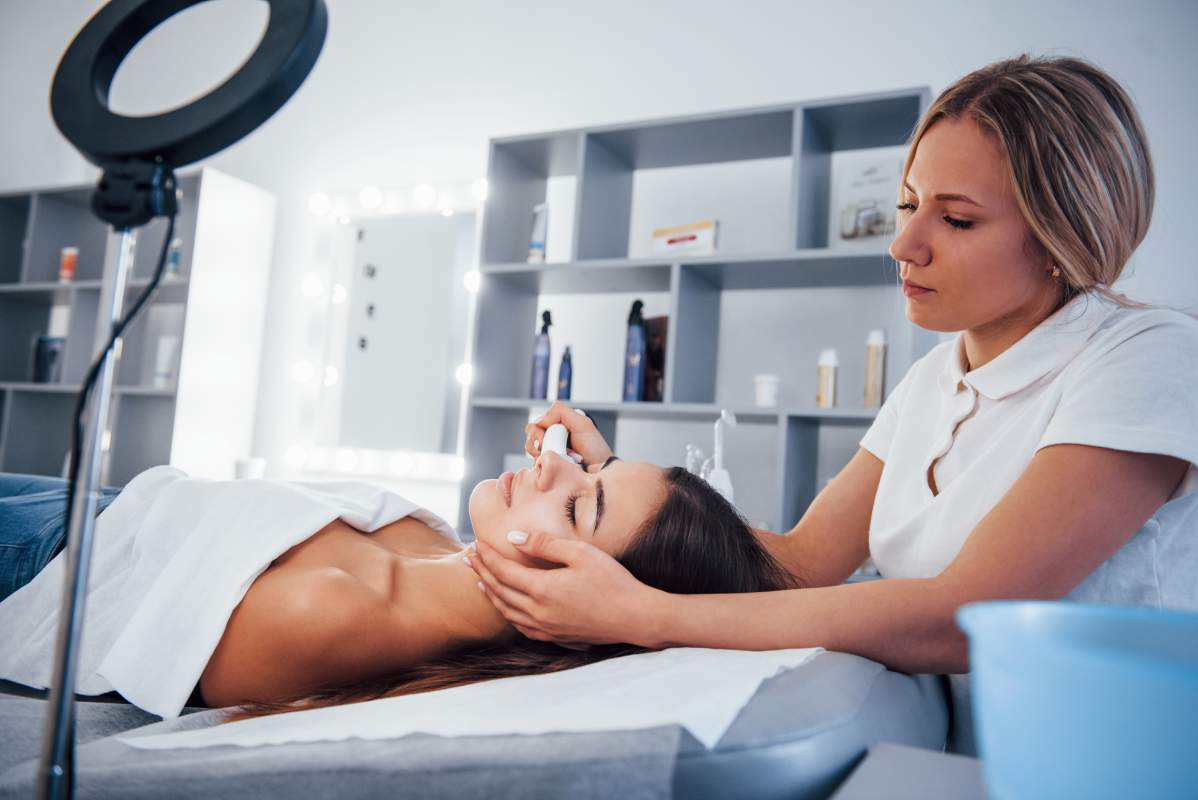
Immediately after professional rosacea treatments, most people experience mild redness or warmth, similar to a light sunburn, that resolves within hours to a couple of days. Tightness or temporary swelling can also occur, but significant downtime is rare when protocols are followed. Providers often share guidance on how to spot unusual reactions—such as blistering or worsening irritation—and what steps to take if these occur.
Because everyone’s skin is different, multiple sessions may be necessary for ongoing improvement, particularly with light-based or laser modalities.
What Misconceptions are Common About Rosacea Treatment?
There are a few beliefs worth clarifying for the local community:
- Not all redness is rosacea; some symptoms stem from allergies, irritation, or sunburn, so individualized assessment is important.
- Over-the-counter topical treatments often help with mild cases, but professional tools and advice can address persistent or visible vessel issues more effectively.
- “Natural” remedies are not always safer; even herbal products can worsen symptoms for sensitive skin.
- Quick-fix treatments are rare—rosacea management is a process that combines lifestyle and professional interventions over several weeks or months.
Are These Approaches Safe for All Ages and Skin Types?
Most medical spa treatments for rosacea are appropriate for adults with fair to medium skin. Those with deeper complexion tones can sometimes require special modifications or alternative modalities to minimize post-treatment pigmentation changes. Teenagers and younger adults may be treated with extra caution, using fewer sessions and milder options.
Pregnant or breastfeeding people are typically advised to delay aggressive treatments (like lasers or prescription topicals) and use barrier repair and protection-focused care instead.
What Do Residents Need to Know About Risks and Regulation?
Professionals in Colorado Springs are generally required to have specific licenses and follow state regulations for medical spa services. Devices like lasers and IPL are regulated for safe use and must be operated by appropriately trained personnel under local health guidelines. Unsafe practices—such as using devices without medical oversight or ignoring allergy/medical history—can increase the risk of burns, scarring, or prolonged irritation.