

 See My Latest Article on HelloNation
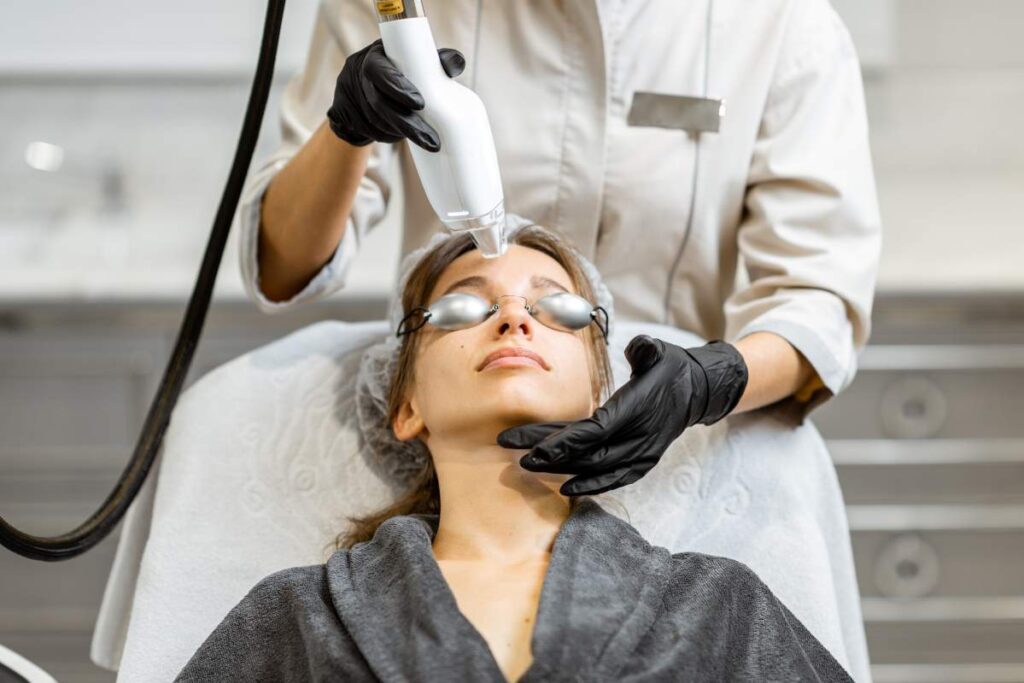
What Is Laser Skin Resurfacing and How Does It Work?
Laser skin resurfacing is a dermatologist-directed procedure using focused light energy to remove damaged skin layers, prompting natural regeneration and collagen production. Lasers target either the outer skin layer (epidermis), deeper tissues, or both, based on the technology used and the issue addressed.
Two main types are found in the city’s medical spas:
- Ablative lasers (like CO2 or Erbium) remove precise skin layers for more dramatic resurfacing.
- Non-ablative lasers heat underlying skin tissue to stimulate collagen with minimal surface injury.
The process can address fine lines, wrinkles, sun spots, acne scarring, pigmentation irregularities, and skin texture issues. Results depend on the laser type, intensity, treatment area, and individual healing response.
What Can Area Residents Expect from the Procedure?
Expectations vary based on the depth and type of laser used. Residents often ask about comfort, time off work, and visible results. Here’s a useful overview:
- Comfort: Most providers use topical anesthetic or local numbing to address discomfort. Non-ablative lasers are less intense and usually tolerated with minimal discomfort.
- Procedure Duration: Sessions typically last 30 minutes to 2 hours, depending on the treatment area.
- Downtime: Ablative treatments may require a week or more of healing. Non-ablative or fractional lasers generally involve less downtime, sometimes only mild redness or swelling for a few days.
The results vary—some people notice smoother, brighter skin within a week, while deeper improvements develop gradually over several months.
Who Is a Good Candidate for Laser Resurfacing in Colorado Springs?
Laser resurfacing is best suited for adults seeking to address signs of aging or lingering scars from acne or injury. However, not everyone is an ideal candidate. Key considerations include:
- Skin Type: People with lighter skin tones have a lower risk of pigment changes, but modern lasers can often be adjusted for darker complexions. People of all skin tones in Colorado Springs should discuss risks of hyperpigmentation or hypopigmentation with a medical professional.
- Health Status: Active skin infections, a history of cold sores, or certain medical conditions can affect eligibility.
- Sun Lifestyle: Given the high elevation and strong UV exposure in the city, those who spend significant time outdoors need to be diligent with sun protection before and after the procedure to prevent complications.
How Should You Prepare Before Treatment?
Proper preparation can reduce risks and optimize healing. Area households are commonly advised to:
- Avoid tanning beds or unprotected sun exposure for several weeks prior, given the city’s intense sunlight.
- Review current medications or supplements, especially those increasing bleeding risk or photosensitivity.
- Stop using retinoids, exfoliating acids, or other irritating skin products a few days to a week beforehand.
- Arrange for a ride home if taking sedating medications.
Smokers should consider quitting several weeks before treatment, as nicotine can impair wound healing.
What Aftercare Is Needed—Especially in a Sunny, Dry Climate?
Aftercare is critical due to the dry, sunny conditions common in Colorado Springs. Post-procedure skin is initially extra sensitive, increasing risk of irritation and pigmentation problems. Practical aftercare guidance includes:
- Moisturizing: Use gentle, fragrance-free moisturizers to counteract dryness and support healing.
- Sun Protection: Apply broad-spectrum SPF 30+ (even indoors, through windows) and wear hats when outdoors. Freshly resurfaced skin is especially sensitive to UV.
- Gentle Cleansing: Cleanse with lukewarm water and a non-abrasive cleanser. Avoid scrubbing, picking, or exfoliating the treated area.
- Cool Compresses: Help reduce redness, itching, or swelling.
- Avoid Swimming/Hot Tubs: Chlorinated or high-temperature water can irritate healing skin.
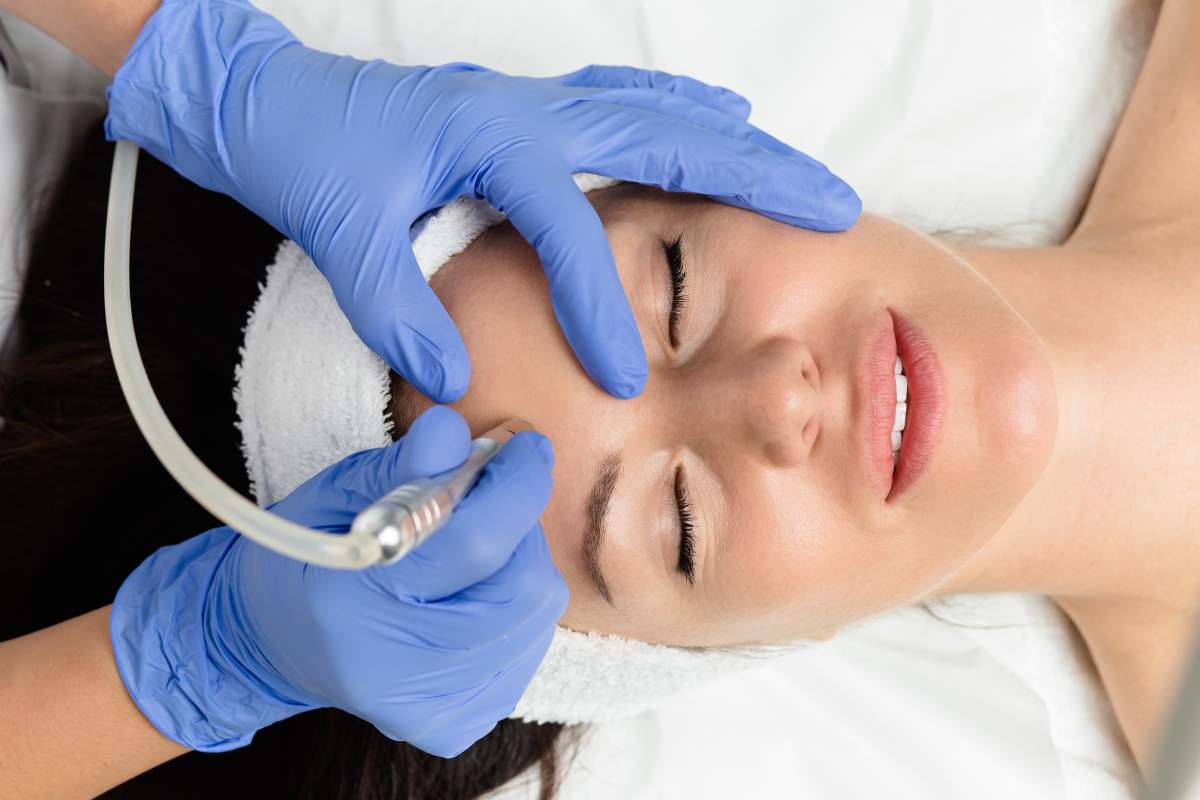
Local residents should remember that the area’s low humidity and bright sun warrant extra diligence—consider using a humidifier at home and limiting outdoor activities during peak sunlight for at least two weeks after treatment.
Are There Risks to Laser Skin Resurfacing?
Like any medical procedure, laser skin resurfacing carries potential risks. Common minor effects include redness, swelling, temporary itching, or changes in skin shade. Less often, residents report:
- Prolonged pigment changes, particularly in those with deeper skin tones
- Scarring (rare, more likely with aggressive treatments)
- Infection, usually prevented with careful aftercare
- Flare-ups of cold sores in individuals with a history of herpes simplex
Careful screening, tailored protocols, and rigorous sun protection typical in Colorado Springs settings can minimize complications.
What Are Some Common Misconceptions in the Community?
Some widespread assumptions among area residents deserve clarification:
- “Laser resurfacing is a lunchtime treatment with zero downtime.” While some non-ablative treatments allow a fast return to work, many procedures require days to over a week of healing, especially for more dramatic results.
- “Tanned or dark skin can’t be treated.” While risk is higher, many modern lasers can safely treat deeper skin tones if performed by experienced professionals using the right settings.
- “Results are instant and permanent.” Improvements appear gradually and results can last years, but natural aging and sun exposure eventually lead to new changes. Maintenance treatments may be needed.
How Does Colorado Springs’ Climate Affect Recovery?
The city’s altitude and dryness accelerate moisture loss from healing skin, amplifying irritation or cracked skin if not managed with regular moisturizing. UV reflects heavily off snow in winter and is intense year-round, emphasizing the importance of strict sun protection during recovery. Residents might also experience more post-treatment redness due to wind exposure, making protective clothing or scarves helpful when outside.