

 See My Latest Article on HelloNation
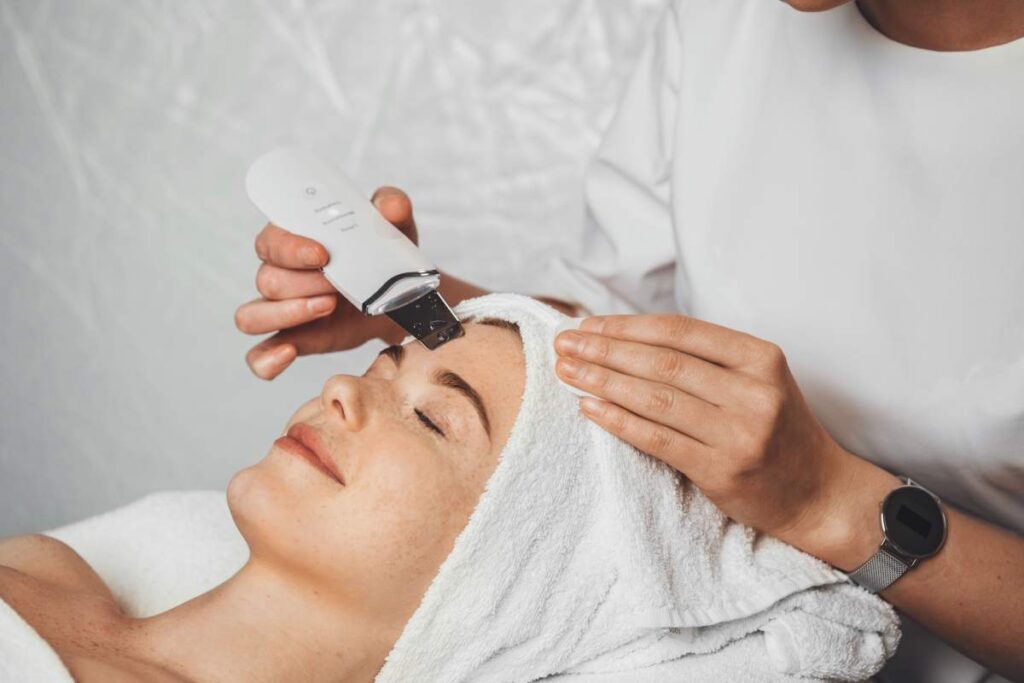
What Sets Medical Grade Skincare Apart from Drugstore Brands?
Medical grade skincare and drugstore brands differ in formulation strength, ingredient quality, and oversight. Medical grade options are typically backed by more clinical testing and are available through licensed professionals, while drugstore brands are widely available and regulated for mass-market safety.
Medical grade products often contain higher concentrations of active ingredients—like retinoids, antioxidants, or growth factors—than what is found in drugstore products. These formulas are developed to penetrate deeper into the skin and target specific concerns, such as acne, sun damage, or signs of aging. Drugstore products, on the other hand, may offer effective moisturization and basic sun protection, but typically feature lower concentrations and are formulated for general safety across a wide range of skin types.
Why Are Medical Grade Products Harder to Get?
Access to medical grade skincare usually requires guidance from licensed practitioners because the formulations are more potent. This is designed to protect consumers by ensuring professional oversight, reducing the risk of misuse or adverse reactions. Drugstore products, by contrast, are labeled for over-the-counter use and are generally formulated to minimize the risk of irritation, even with repeated, unsupervised use.
In Colorado Springs, this distinction can feel particularly relevant, as dry high-altitude air and variable weather challenge skin health. Residents may notice drugstore moisturizers work well for mild dryness, but conditions like persistent flaking or textured skin—common in drier, colder months—often prompt people to explore more targeted options.
How Do Regulations Impact Quality and Results?
Medical grade skincare is regulated to higher standards in terms of purity, stability, and evidence of efficacy. This means:
- Formulations are often supported by published clinical results.
- Ingredients are selected for their ability to produce measurable improvements.
- These products are subject to stricter standards, similar to those for medical devices or pharmaceuticals, in their labeling and claims.
Drugstore products follow general cosmetic regulations, ensuring safety for the public but not requiring evidence of transformative results or clinical effectiveness. That’s why some area residents find over-the-counter products helpful for maintenance, but things like sun damage, melasma, or repeated breakouts linger without deeper intervention.
Are Medical Grade Products Always Better?
Not always. The best choice depends on the user’s skin concerns, tolerance, and preferences. Drugstore skincare is well-suited for daily cleansing, sun protection, and basic hydration. It is especially appropriate for teens, those with very sensitive skin, or anyone looking for budget-friendly and gentle care.
Medical grade options are often chosen by people seeking to address concerns such as:
- Stubborn acne or chronic redness
- Uneven skin tone or age spots from sun exposure
- Fine lines, wrinkles, or rough texture
Residents in Colorado Springs who spend a lot of time enjoying the outdoors may opt for medical grade antioxidants, brighteners, or prescription-strength retinoids to combat photoaging and restore vibrancy.
What Do Ingredient Labels and Claims Really Mean?
Interpreting skincare labels can be confusing, with terms like “dermatologist tested,” “non-comedogenic,” or “hypoallergenic” appearing on both types of products. With medical grade formulas, claims are more stringently evaluated—meaning that if a product is labeled as “clinically proven to reduce fine lines,” there is normally research backing up that statement.
Drugstore items may make similar-sounding claims, but these are generally based on consumer satisfaction or less rigorous testing. For local residents with specific concerns, this difference can influence expectations and satisfaction with results.
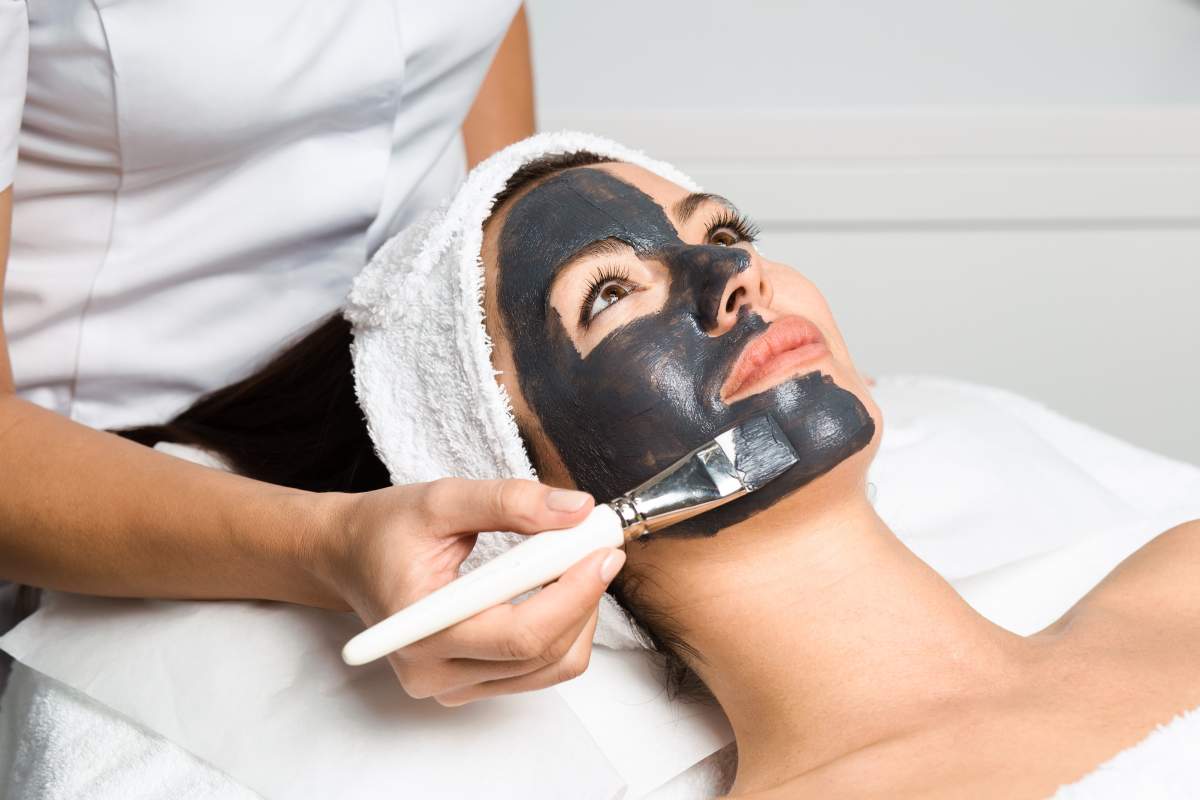
Do Climate and Local Conditions Affect Which Skincare Works Best?
Absolutely. The high altitude, low humidity, and sunny conditions in Colorado Springs can intensify skin dryness, sensitivity, and pigmentation. Drugstore brands provide accessible relief for chapped skin or sunburn, but residents battling persistent dehydration or accelerated visible aging might eventually need products that go beyond surface comfort.
People often wonder why a drugstore cream seems less effective here than in a more humid, temperate environment. The underlying reason is that environmental stress in the city can require more targeted barrier repair and antioxidant protection—areas where medical grade products may outperform general-purpose formulas.
Common Questions and Misconceptions
Is medical grade always harsher than drugstore brands?
Not necessarily. While the concentration of actives is higher, many formulas are balanced with soothing ingredients. A professional assessment can ensure compatibility.
Can drugstore products be layered to mimic medical grade effects?
Layering drugstore products sometimes improves results for basic needs, but it rarely matches the potency or targeted actions of medical grade ingredients.
Is it worth investing in more expensive skincare?
For many city residents, the answer depends on the complexity of their skin concerns and how well lower-cost products perform for their needs. Not everyone will benefit from the investment, but those struggling to see results from standard options may find greater value in advanced formulations.
What Should Residents Look For When Choosing Skincare?
When evaluating any product, consider:
- Personal skin needs (hydration, anti-aging, pigmentation)
- Ingredient list and concentration of actives
- Tolerance and allergy history
- Realistic expectations for change
Whether choosing from the drugstore or seeking a medical grade formula, residents in Colorado Springs benefit from attentive, informed self-care, and a willingness to adjust routines based on how local climate and lifestyle interact with skin health needs.