

 See My Latest Article on HelloNation
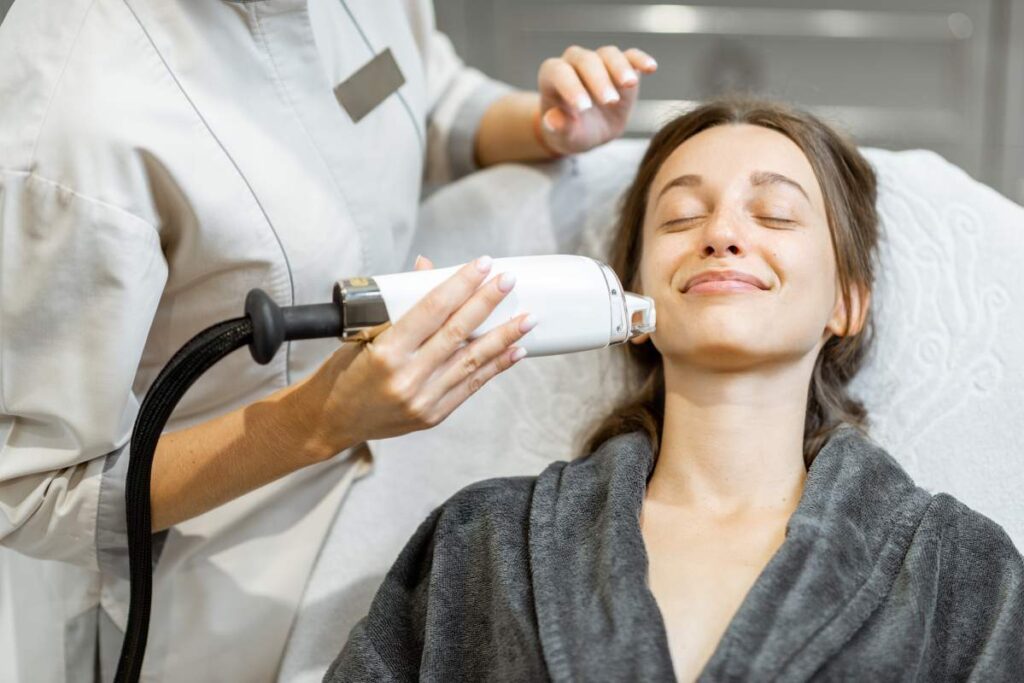
What does combining treatments actually mean?
Combining treatments means using different procedures to address separate concerns—such as muscle movement, lost volume, uneven pigment, acne scars, or skin texture—within one broader treatment plan. It does not necessarily mean receiving everything during one visit.
A safe plan usually depends on four factors:
- The medical purpose of each treatment
- The depth or intensity of the procedure
- The body area being treated
- The time needed for swelling, irritation, or skin healing to settle
For example, a neuromodulator may reduce movement-related lines, while a resurfacing treatment may address texture or sun damage. A filler may restore volume, but it does not replace treatments designed for pigment or surface irregularities. The goal is to match each treatment to a specific concern rather than layering procedures simply because they are available.
The American Academy of Dermatology notes that combining treatments can sometimes produce better or longer-lasting results, but treatment planning should account for a person’s medical history, medications, prior procedures, and recovery needs. ([aad.org](https://www.aad.org/public/cosmetic/younger-looking/chemical-peels-preparation?utm_source=openai))
Which treatments are commonly paired?
The most appropriate combinations are usually complementary rather than redundant.
Neuromodulators and skin treatments
Botulinum toxin products temporarily reduce the movement of targeted muscles. Chemical peels, microneedling, lasers, and other resurfacing procedures work mainly on the skin’s surface or deeper layers. Because they address different mechanisms, they may be included in the same overall plan.
However, the FDA states that the safe use of dermal fillers in combination with botulinum toxin or other treatments has not been evaluated in controlled clinical studies. That does not mean combinations are automatically unsafe; it means the risks and benefits should be evaluated for the specific person, product, area, and sequence. ([fda.gov](https://www.fda.gov/consumers/consumer-updates/dermal-filler-dos-and-donts-wrinkles-lips-and-more?utm_source=openai))
Fillers and resurfacing procedures
Fillers restore or enhance volume in selected areas, while resurfacing may improve fine lines, roughness, discoloration, or acne-scar texture. These treatments can complement one another, but irritation, swelling, and infection risk must be considered.
A provider may choose to separate the procedures rather than perform them during one session. The appropriate interval depends on the product, injection area, resurfacing depth, skin condition, and healing response.
Chemical peels and other exfoliating treatments
A chemical peel removes controlled layers of skin to improve selected concerns, including some forms of acne, discoloration, rough texture, and sun damage. Adding another exfoliating product, retinoid, laser, or abrasive procedure too soon can over-stress the skin barrier.
The AAD advises that some people require a pre-peel skin-care plan and that recovery instructions—including sun protection and wound care—affect the risk of infection, scarring, and pigment changes. ([aad.org](https://www.aad.org/public/cosmetic/younger-looking/chemical-peels-overview?utm_source=openai))
Should multiple treatments be done on the same day?
Sometimes, but same-day treatment is not automatically better. A combined session may be reasonable when the procedures have compatible goals, the total irritation is limited, and the treating clinician has a clear plan for monitoring and aftercare.
Staging treatments over several visits may be safer when:
- One procedure causes substantial swelling or skin injury
- The treatments affect the same area in different ways
- The person has a history of prolonged redness, cold sores, pigment changes, or poor healing
- The final result of the first treatment needs to be assessed before making another decision
- The person has an upcoming event, travel, outdoor activity, or difficult work schedule
A staged plan also makes it easier to identify which treatment caused a reaction if a problem develops.
What should be discussed before treatment?
A complete medical and cosmetic history is essential. Residents should provide information about:
- Prescription and nonprescription medicines
- Aspirin, anticoagulants, supplements, and products that may increase bruising
- Pregnancy, breastfeeding, or plans to become pregnant
- Allergies, autoimmune conditions, bleeding disorders, and immune problems
- Cold sore history
- Previous fillers, implants, lasers, peels, surgery, or other procedures
- A tendency to form raised scars or develop prolonged discoloration
- Active acne, rashes, infections, or open areas of skin
The FDA advises delaying filler treatment when the skin is inflamed or infected. The AAD also recommends disclosing all recent procedures and medications before a chemical peel because seemingly unrelated details can change the treatment plan. ([aad.org](https://www.aad.org/public/cosmetic/younger-looking/chemical-peels-preparation?utm_source=openai))
How does the local climate affect recovery?
Colorado Springs has a dry climate, strong sun exposure, and frequent outdoor activity. Those conditions can make post-treatment skin more vulnerable to dehydration, irritation, and ultraviolet exposure.
After procedures that exfoliate, puncture, heat, or otherwise disrupt the skin barrier, practical precautions may include:
- Limiting direct sun exposure while the skin heals
- Using the sun-protection method recommended for the procedure
- Avoiding tanning beds
- Delaying strenuous outdoor activity if heat and sweating worsen irritation
- Using only approved post-treatment products
- Avoiding picking, scratching, or removing peeling skin
Sun protection is particularly important after peels and resurfacing procedures because ultraviolet exposure can increase the chance of persistent discoloration. ([aad.org](https://www.aad.org/public/cosmetic/younger-looking/chemical-peels-faqs?utm_source=openai))
What combinations require extra caution?
Some combinations deserve careful review or may need to be avoided temporarily. These include multiple procedures that all create inflammation, treatments performed over active infection, and procedures involving products or body areas outside their approved use.
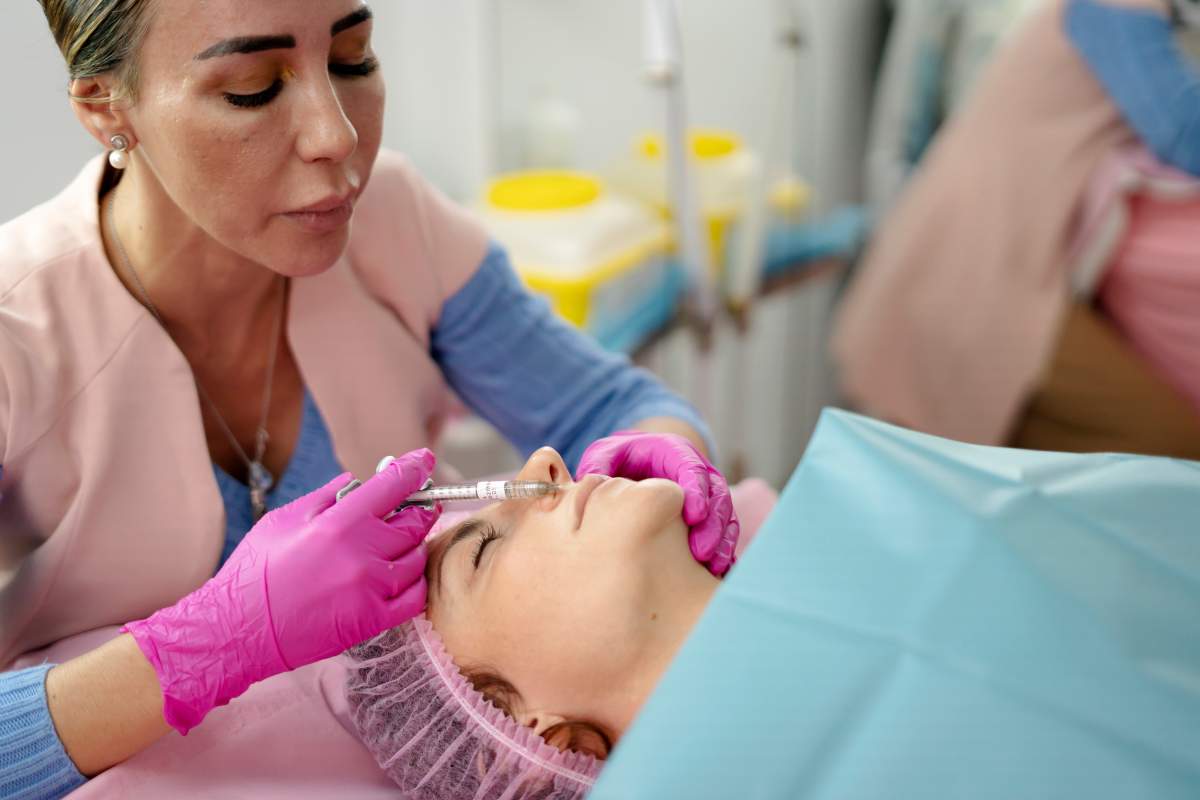
Dermal fillers are medical devices, not ordinary beauty products. The FDA recommends using approved products for approved indications and warns against self-injection, needle-free injection devices, and injectable silicone for cosmetic enhancement. Filler injections also carry rare but serious risks, including vascular blockage, tissue injury, vision problems, and stroke. ([fda.gov](https://www.fda.gov/consumers/consumer-updates/dermal-filler-dos-and-donts-wrinkles-lips-and-more?utm_source=openai))
Extra caution may also be needed for darker skin tones or anyone with a history of melasma or post-inflammatory hyperpigmentation. Chemical peels and energy-based procedures can be used safely in many skin types, but settings, product selection, preparation, and aftercare must be individualized. ([aad.org](https://www.aad.org/public/cosmetic/younger-looking/chemical-peels-faqs?utm_source=openai))
How can someone tell whether a treatment plan is well designed?
A sound plan should explain what each treatment is intended to change, what it cannot change, how long results may take, and what recovery involves. It should also include alternatives and a plan for managing complications.
Useful questions include:
- Which concern is each treatment addressing?
- Why are these procedures being combined or separated?
- What symptoms are normal during recovery?
- How long should the procedures be spaced apart?
- Which medicines and skin-care products should be paused?
- What signs require prompt medical attention?
- Who will provide follow-up if swelling, infection, severe pain, vision changes, or unusual skin color develops?
The person performing the procedure should be licensed, trained in the specific treatment, familiar with facial anatomy when injections are involved, and able to explain risks without minimizing them. The AAD recommends asking about qualifications, expected results, alternatives, recovery time, and complication management before proceeding. ([aad.org](https://www.aad.org/public/cosmetic/safety/facials-spa?utm_source=openai))
The safest approach is usually not the largest number of treatments. It is a measured sequence in which each procedure has a clear purpose, the skin has enough time to recover, and the plan can change if the first result or the healing response suggests a different next step.