

 See My Latest Article on HelloNation
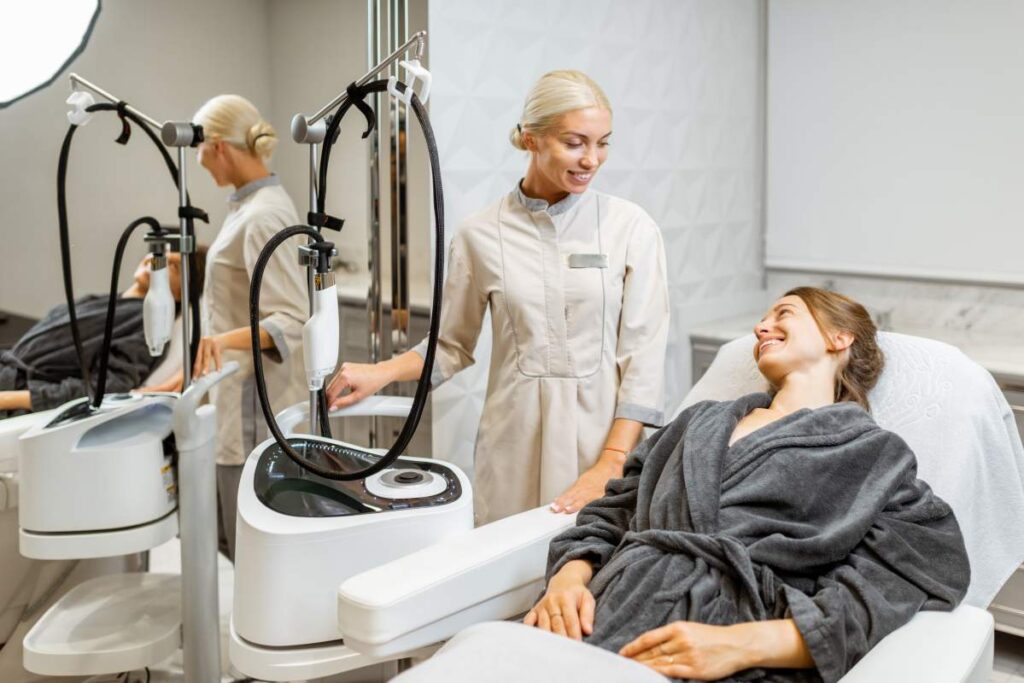
Sensitive skin is often treated as a cosmetic concern, but persistent redness, burning, flushing, itching, or stinging can also signal rosacea, eczema, contact dermatitis, acne, or another skin condition. Medical spas may offer treatment options that are more customized than ordinary facials, but these services are not automatically safer, medically necessary, or available only in a medical spa.
Are sensitive-skin treatments available only at medical spas?
No. Sensitive-skin care may also be available through dermatology practices, medical clinics, and licensed skin-care professionals operating within their legal scope. The difference is usually the level of medical assessment, the equipment used, and whether a qualified medical provider is involved.
Medical spas can sometimes bridge the gap between basic skin care and physician-directed treatment. Depending on the facility and local regulations, services may include:
- Customized superficial exfoliation
- Medical-grade skin-care planning
- Light-based treatments for selected types of redness
- Microneedling for specific cosmetic concerns
- Carefully selected chemical peels
- Post-procedure monitoring and aftercare guidance
A medical spa is not a substitute for diagnosis. A person with an unexplained rash, persistent swelling, eye symptoms, infection, or rapidly changing skin should be evaluated in a medical setting before undergoing an aesthetic procedure.
Why can medical-spa treatments be useful for reactive skin?
The main potential advantage is customization. Sensitive skin often reacts poorly to aggressive, one-size-fits-all routines. A medically informed evaluation may consider the skin barrier, history of allergies, medications, pigmentation risk, previous procedures, sun exposure, and conditions such as rosacea or eczema.
Treatment may be adjusted by:
- Reducing the strength or duration of an exfoliating product
- Avoiding fragrance, alcohol, or known irritants
- Using fewer active ingredients at one time
- Testing a small area before treating a larger region
- Spacing procedures farther apart
- Building a recovery period into the plan
- Delaying treatment during a flare-up
This approach matters in Colorado Springs, CO, where dry air, strong sun exposure, seasonal temperature changes, and indoor heating can increase tightness and irritation. Wind and low humidity may also make a damaged skin barrier feel worse, even when the original problem began with a product or procedure.
Which treatments may be considered for sensitive skin?
The appropriate option depends on the cause of sensitivity, not simply how delicate the skin feels.
Superficial chemical peels
Mild peels may be used for limited concerns such as uneven texture, certain types of acne, or discoloration. Sensitive skin may require a lower-strength formula, shorter contact time, or no peel at all.
Peels can cause temporary redness, dryness, peeling, burning, or pigment changes. They should not be performed over sunburned, infected, actively inflamed, or severely irritated skin. A stronger peel is not necessarily a better peel, particularly for someone with rosacea or a history of post-inflammatory hyperpigmentation.
Light and laser treatments
Certain light-based procedures may help reduce visible blood vessels or persistent redness associated with rosacea. They are not appropriate for every type of redness, and they do not eliminate the need to identify triggers or manage the underlying condition.
Possible short-term effects include redness, swelling, tenderness, or temporary discoloration. The risk of burns, scarring, and lasting pigment changes increases when the treatment is poorly matched to the person’s skin type or performed without adequate training.
Microneedling
Microneedling creates controlled punctures in the skin and may be used for selected scars, wrinkles, or texture concerns. It is not a universal treatment for sensitive skin and may worsen irritation if performed during an active rash, infection, eczema flare, or rosacea flare.
Potential risks include prolonged redness, itching, peeling, bruising, infection, cold-sore reactivation, and darkening or lightening of the skin. Radiofrequency microneedling carries additional risks because heat is delivered beneath the skin. Reports of burns, scarring, fat loss, disfigurement, and nerve injury have led to increased safety warnings about certain uses of these devices.
Barrier-supportive treatments
Some medical spas offer noninvasive treatments designed to hydrate or calm the skin rather than resurface it. These may be more suitable for people whose main concern is dryness, tightness, or temporary irritation. Even gentle treatments can cause reactions if they involve fragranced products, abrasive tools, essential oils, or multiple active ingredients.
What should people with sensitive skin ask before treatment?
Good questions often reveal more than the name of the procedure. Ask:
- Who evaluates the skin before treatment?
- Is a licensed medical provider involved, and what is that person’s role?
- What condition or concern is the treatment intended to address?
- What device, peel, or active ingredient will be used?
- Has the treatment been studied or authorized for this particular use?
- Is a patch test or small-area test appropriate?
- What complications are possible for the person’s skin tone?
- How are single-use tips, cartridges, and other supplies handled?
- What medications, supplements, or skin products should be paused?
- What symptoms after treatment require prompt medical attention?
A facility should be able to explain the procedure in plain language, including limitations and alternatives. Pressure to proceed quickly is a warning sign, especially if the skin is currently burning, peeling, infected, or visibly inflamed.
Which skin symptoms require medical evaluation first?
A medical-spa procedure should be postponed when the cause of irritation is unclear. Medical evaluation is especially appropriate for:
- A rash that spreads or does not improve
- Facial swelling, hives, or breathing difficulty
- Painful blisters or a suspected cold-sore outbreak
- Yellow crusting, pus, fever, or other signs of infection
- Eye pain, light sensitivity, or persistent eye redness
- Sudden changes in a mole or pigmented spot
- Severe burning after using a product
- Repeated flushing with acne-like bumps or visible blood vessels
Rosacea, eczema, allergic contact dermatitis, and infections can look similar to ordinary “sensitive skin,” but they may require different treatment. Exfoliating or needling the area without a diagnosis can make symptoms harder to control.
How can sensitive skin be prepared and protected?
A simple routine is usually more useful than adding several new products. Before a procedure, many people benefit from using a gentle cleanser, a plain moisturizer, and broad-spectrum sunscreen that the skin already tolerates. New products should be introduced one at a time, preferably well before a planned treatment rather than immediately beforehand.
After treatment, temporary redness or tightness may be expected, but worsening pain, spreading swelling, blistering, pus, fever, or unusual discoloration should not be ignored. Sun protection is particularly important after peels, light treatments, and microneedling because recently treated skin may be more vulnerable to pigment changes.
The most accurate way to think about medical-spa care is not “stronger treatment for sensitive skin.” It is carefully selected treatment, appropriate screening, realistic expectations, and a clear plan to avoid unnecessary damage.