

 See My Latest Article on HelloNation
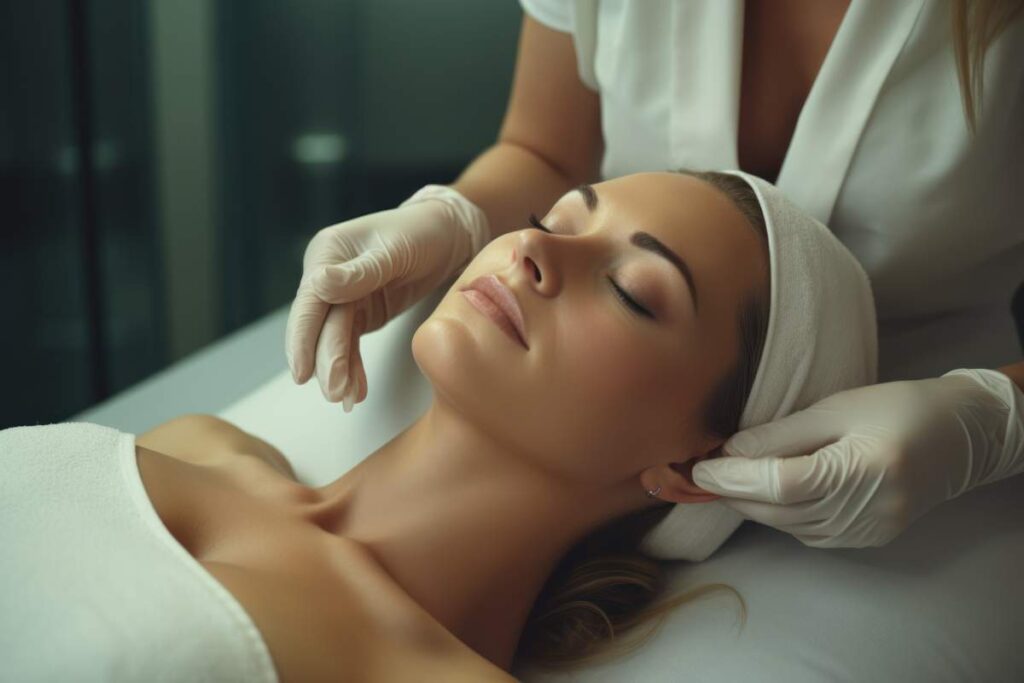
Enlarged pores are a common skin concern, especially around the nose, cheeks, forehead, and chin. They are not usually a medical problem, but they can become more noticeable when oil, dead skin, sun exposure, dryness, or aging changes the way light reflects from the skin.
Pores cannot be permanently “closed,” because they are natural openings for hair follicles and oil glands. However, the appearance of enlarged pores can often be reduced with consistent skin care, sun protection, and carefully selected treatments.
Why do pores look enlarged?
The most common causes are excess oil, clogged follicles, reduced skin elasticity, and sun-related changes. Several factors may occur at the same time.
Oil production and genetics
People with naturally oily skin may notice larger-looking pores because oil and sebum can collect around follicle openings. Genetics also influence pore size, skin thickness, oil production, and the likelihood of developing blackheads.
Pores may look more prominent during hormonal changes, including puberty, menstrual cycle fluctuations, pregnancy, or other conditions that affect oil production.
Clogged pores and blackheads
A mixture of oil and dead skin cells can collect inside a follicle. When the opening remains exposed to air, the material may darken and form a blackhead. This can make the pore appear wider.
Clogged pores and enlarged pores are related, but they are not the same thing. A pore can look large because of a temporary clog, while another may remain visibly larger because of genetics, skin laxity, or sun damage.
Sun exposure and loss of elasticity
Repeated ultraviolet exposure can damage collagen and elastin, the proteins that help support firm, resilient skin. As the surrounding skin becomes less elastic, follicle openings may appear wider.
Daily sun protection matters in Colorado Springs because elevation and frequent bright, sunny conditions can increase everyday ultraviolet exposure. Snow, light-colored surfaces, and outdoor activities can also reflect sunlight onto the skin.
Aging
With age, skin generally produces less collagen and may lose some of its firmness. The follicle opening can then appear larger even if oil production has not changed significantly.
Dryness and irritation
Dry, flaky skin can make texture and pores easier to see. In a dry climate, indoor heating, wind, low humidity, and frequent temperature changes may contribute to dehydration. Harsh scrubbing, hot water, or strong alcohol-based products can irritate the skin and make uneven texture more noticeable.
Can enlarged pores be permanently removed?
No. Pores are a normal part of skin and cannot be permanently erased or sealed shut. Products and treatments can reduce oil, clear buildup, improve skin texture, and support collagen, which may make pores appear smaller.
Claims that a product can permanently close pores should be treated cautiously. A temporary tightening effect may come from reduced surface oil, mild swelling, or a film left on the skin rather than a lasting change in pore structure.
What skin care helps reduce their appearance?
A simple routine is usually more helpful than a complicated one. Changes should be introduced gradually, especially for sensitive or dry skin.
Cleanse gently
Wash the face with a mild cleanser once or twice daily, using lukewarm rather than hot water. Gentle cleansing removes excess oil, sunscreen, makeup, and environmental debris without stripping the skin.
Scrubbing brushes, rough exfoliating cloths, and abrasive scrubs can create irritation without removing the underlying cause of enlarged pores.
Consider salicylic acid
Salicylic acid is oil-soluble, which allows it to work inside the follicle. It may help loosen oil and dead skin cells that contribute to blackheads and congestion.
A low-strength product used a few times per week may be enough for some people. Frequent use can cause dryness, stinging, or peeling, particularly in a dry environment or when combined with other active ingredients.
Use a retinoid carefully
Retinoids help normalize skin-cell turnover and may improve clogged pores, fine lines, and uneven texture over time. Over-the-counter retinol products are generally milder than prescription retinoids but can still cause irritation.
Start with a small amount several nights per week and apply moisturizer as needed. Retinoids are not appropriate during pregnancy, and anyone with persistent redness, eczema, or significant sensitivity should ask a qualified medical professional before using them.
Moisturize and protect the skin barrier
A non-comedogenic moisturizer can reduce dryness without necessarily worsening oiliness. Look for products labeled non-comedogenic or oil-free if clogged pores are a concern.
Moisturizer is particularly useful during dry winter weather, after outdoor exposure, or when using exfoliating ingredients. A damaged skin barrier can lead to more redness and rough texture, making pores look more visible.
Wear broad-spectrum sunscreen
Daily broad-spectrum sunscreen helps limit ultraviolet damage that contributes to collagen loss and uneven texture. Choose a product with an SPF of 30 or higher and reapply during extended outdoor activities, sweating, or exposure to bright reflective surfaces.
What professional treatments may help?
Medical spa and dermatology treatments may improve the appearance of pores, but results depend on the underlying cause and the condition of the skin.
- Chemical peels: Certain acids can loosen surface buildup, improve dullness, and help manage some forms of acne and congestion. Stronger peels require careful selection and aftercare.
- Microneedling: Controlled micro-injuries stimulate a healing response that may improve texture and support collagen production. It is not appropriate over active infections, uncontrolled inflammatory acne, or some skin conditions.
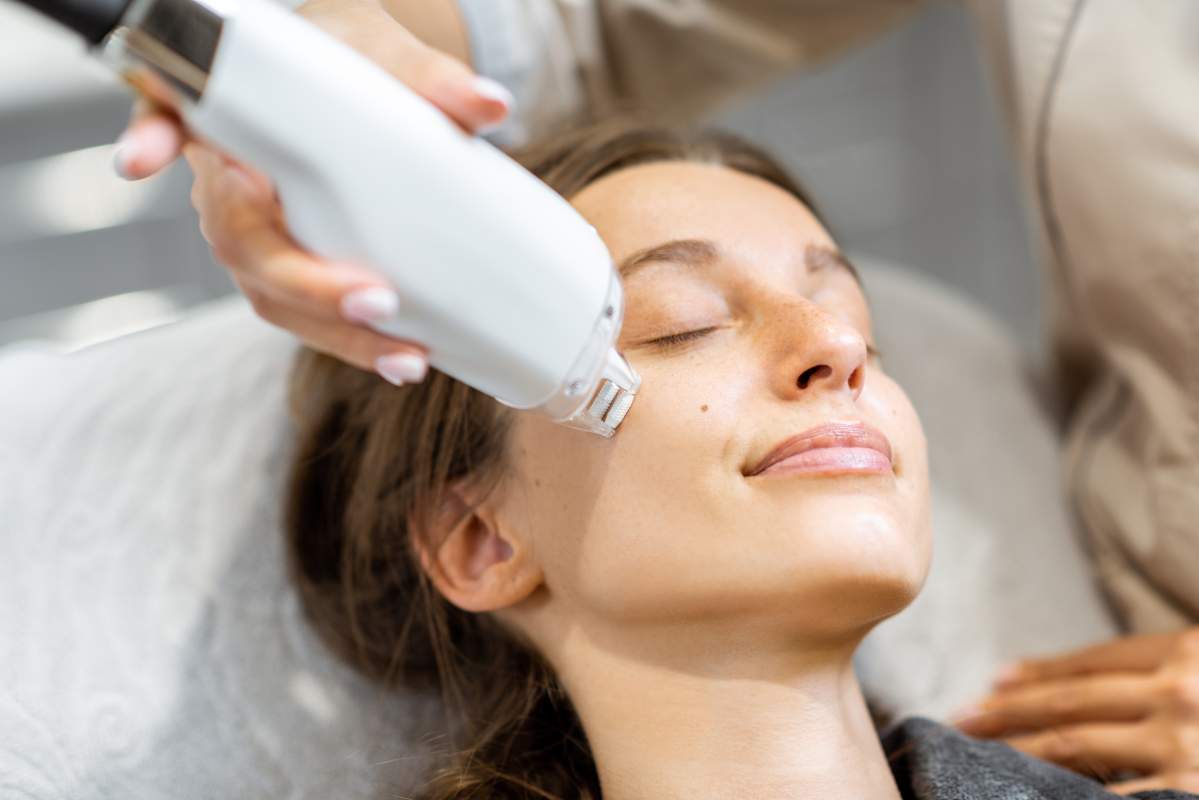
- Laser or light-based treatments: Selected devices may address sun-related texture, redness, or collagen loss. Skin type, pigment risk, and sun exposure history should be considered before treatment.
- Professional extractions: Carefully performed extractions may remove blackheads, but forceful squeezing at home can cause inflammation, broken blood vessels, scarring, or darker marks.
- Prescription treatment: A clinician may recommend prescription retinoids or other therapies when enlarged pores are closely associated with acne, excessive oil, or hormonal changes.
These treatments do not permanently eliminate pores. They are intended to improve texture and reduce the factors that make pores more noticeable.
What should be avoided?
Pore strips may temporarily remove surface material but do not permanently reduce pore size. Repeated use can irritate sensitive skin. Baking soda, lemon juice, undiluted vinegar, toothpaste, and harsh scrubs can disrupt the skin barrier and cause burns or inflammation.
Picking or squeezing blackheads may also enlarge the appearance of a pore temporarily and increase the risk of infection or scarring.
Using several strong products at once is another common problem. For example, combining a retinoid, exfoliating acid, abrasive scrub, and drying cleanser may create irritation that looks like worsening texture.
When should enlarged pores be evaluated?
Enlarged pores alone are usually harmless. A medical evaluation is more appropriate when they appear with painful acne, persistent redness, itching, scaling, sudden changes, scarring, or a single unusual pore that is raised, bleeding, or repeatedly crusting.
A persistent, solitary enlarged opening may be different from ordinary facial pores and should not be treated by squeezing or aggressive home extraction.
Improvement is usually gradual. Skin care may require several weeks to show clearer texture, while collagen-focused treatments often require multiple sessions and continued sun protection. The most useful approach is to identify whether oil, congestion, dryness, sun exposure, aging, or irritation is the main factor before choosing a treatment.