

 See My Latest Article on HelloNation
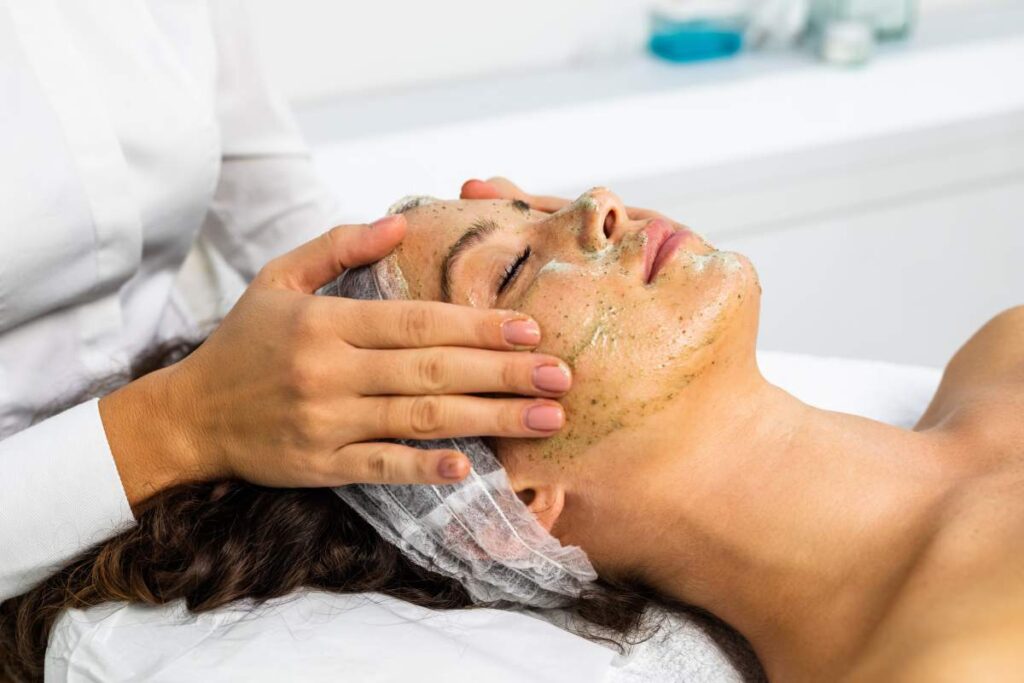
Skincare treatments can improve texture, acne, pigmentation, and signs of aging, but even familiar procedures may cause irritation, burns, allergic reactions, infection, or unexpected changes in skin color. The safest approach is to treat every peel, laser session, exfoliant, injectable-adjacent preparation, and professional facial as a medical or skin-barrier decision—not simply a beauty routine.
What causes a bad reaction to a skincare treatment?
Most unwanted reactions fall into three categories: irritation, allergy, and injury. Irritation occurs when an ingredient or procedure temporarily overwhelms the skin barrier. Allergy involves an immune response and may cause itching, swelling, hives, or a spreading rash. Injury can result from excessive heat, chemical strength, friction, sun exposure, or treating skin that was not ready.
Common contributors include:
- Combining several active products too close together
- Using retinoids, exfoliating acids, or acne medications before a peel or laser treatment
- Applying a new product to already dry, sunburned, cracked, or inflamed skin
- Failing to disclose medications, allergies, cold sore history, or prior reactions
- Assuming “natural,” “unscented,” or “hypoallergenic” means reaction-proof
- Returning to intense sun, heat, wind, or exercise too soon after treatment
The high-altitude climate in Colorado Springs can make dryness and sun exposure especially relevant. Cold air, low humidity, wind, and strong sunlight may leave the skin barrier more vulnerable before and after treatment.
How should you prepare before a treatment?
Preparation begins with an honest review of your current skin condition and routine. A treatment should generally be postponed if the area has an active rash, open wound, sunburn, significant peeling, uncontrolled acne inflammation, or a flare of eczema or rosacea.
Before treatment, provide a complete list of:
- Prescription and over-the-counter skincare products
- Retinoids, exfoliating acids, acne medications, and bleaching agents
- Supplements and medicines that may increase bruising or sensitivity
- Known allergies, including reactions to adhesives, fragrances, or topical anesthetics
- A history of cold sores, abnormal scarring, pigmentation changes, or poor wound healing
- Recent tanning, prolonged sun exposure, waxing, threading, or other procedures
Do not stop a prescribed medication without medical guidance. Instead, ask whether the treatment needs to be modified or delayed. Some procedures require a pause from irritating products, while others may not be appropriate for certain skin conditions or medication combinations.
Should a new skincare product be patch-tested?
Yes. A small test area can reduce the chance of applying a new product to the entire face before discovering a reaction. Patch testing is useful for cleansers, moisturizers, serums, masks, exfoliants, and post-treatment products.
For a leave-on product, apply a small amount to an inconspicuous area such as the inner arm or elbow crease. Repeat according to the product’s normal use instructions for several days. Watch for redness, itching, swelling, burning, bumps, or scaling.
A home test cannot guarantee that a product will be safe on the face, around the eyes, or on recently treated skin. Delayed allergic reactions can also appear after more than one exposure. If a reaction continues or repeatedly returns, formal medical patch testing may help identify the responsible ingredient.
How can people reduce irritation from active ingredients?
Introduce only one new active ingredient at a time. Using a retinoid, glycolic acid, salicylic acid, vitamin C product, exfoliating scrub, and peel in the same week makes it difficult to identify the cause of irritation and increases the chance of damaging the skin barrier.
A cautious routine usually includes:
- A gentle cleanser
- A plain moisturizer suited to the skin type
- Broad-spectrum sunscreen
- One active product introduced gradually
- Rest days between stronger products
Burning, persistent redness, swelling, or painful peeling is not a sign that a treatment is “working better.” Mild temporary tingling may occur with some products, but escalating discomfort is a reason to stop and reassess.
What precautions matter after a peel, laser treatment, or facial?
Aftercare instructions are part of the treatment, not an optional extra. Follow the specific guidance provided for the procedure, because recovery varies by treatment depth and device.
In general:
- Keep the area clean and avoid picking or peeling loose skin.
- Use bland, non-irritating moisturizers unless directed otherwise.
- Avoid scrubs, brushes, fragranced products, retinoids, and exfoliating acids until the skin has recovered.
- Protect treated skin from sunlight with clothing, shade, and sunscreen when permitted.
- Avoid tanning, hot tubs, saunas, and intense heat if instructed.
- Do not apply makeup to compromised or open skin unless specifically cleared.
- Avoid waxing, threading, or aggressive hair removal over recently treated areas.
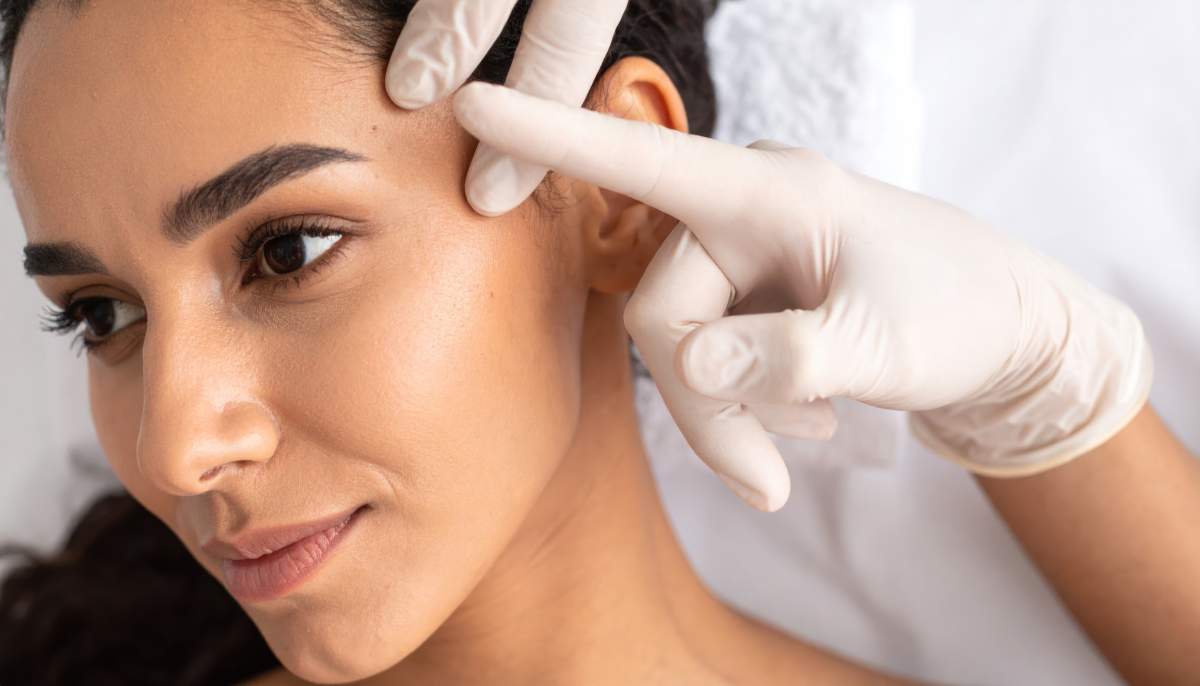
Sun protection deserves special attention in the local environment. Even on cool or partly cloudy days, ultraviolet exposure can worsen redness and increase the risk of lingering dark or light marks after inflammation.
How can someone tell whether a reaction is normal?
Some redness, warmth, tightness, mild swelling, or peeling may be expected after certain treatments. The key questions are how severe the symptoms are, whether they are improving, and whether they match the expected recovery instructions.
A reaction is more concerning when there is:
- Increasing pain rather than gradual improvement
- Blistering, gray or white skin, or an area that looks burned
- Pus, spreading redness, fever, or worsening tenderness
- Significant facial or eyelid swelling
- Hives, wheezing, throat tightness, dizziness, or trouble swallowing
- New darkening or lightening that continues after inflammation settles
- Eye pain, vision changes, or chemical exposure near the eye
For a suspected product reaction, gently remove the product and avoid reapplying it. A cool compress may ease mild irritation. Do not layer additional acids, essential oils, home remedies, or topical medications over the area without appropriate guidance.
Breathing difficulty, throat swelling, faintness, or rapidly worsening facial swelling requires emergency medical attention. Eye injuries, severe burns, and signs of infection also warrant prompt medical evaluation.
What questions should be asked before treatment?
A responsible treatment discussion should explain the expected benefits, likely side effects, recovery time, alternatives, and warning signs. Useful questions include:
- What skin conditions or medications make this treatment unsuitable?
- Which products should be stopped beforehand, and when can they be restarted?
- Is a test spot appropriate?
- What level of redness, swelling, or peeling is expected?
- How will the treatment be adjusted for sensitive, dry, darker, or recently sun-exposed skin?
- What should be done if symptoms worsen after leaving?
- Who provides medical guidance if a complication develops?
Clear answers help residents make decisions based on skin health rather than pressure, trends, or promises of rapid results. A conservative treatment plan is often safer than trying several strong procedures or products close together.