

 See My Latest Article on HelloNation
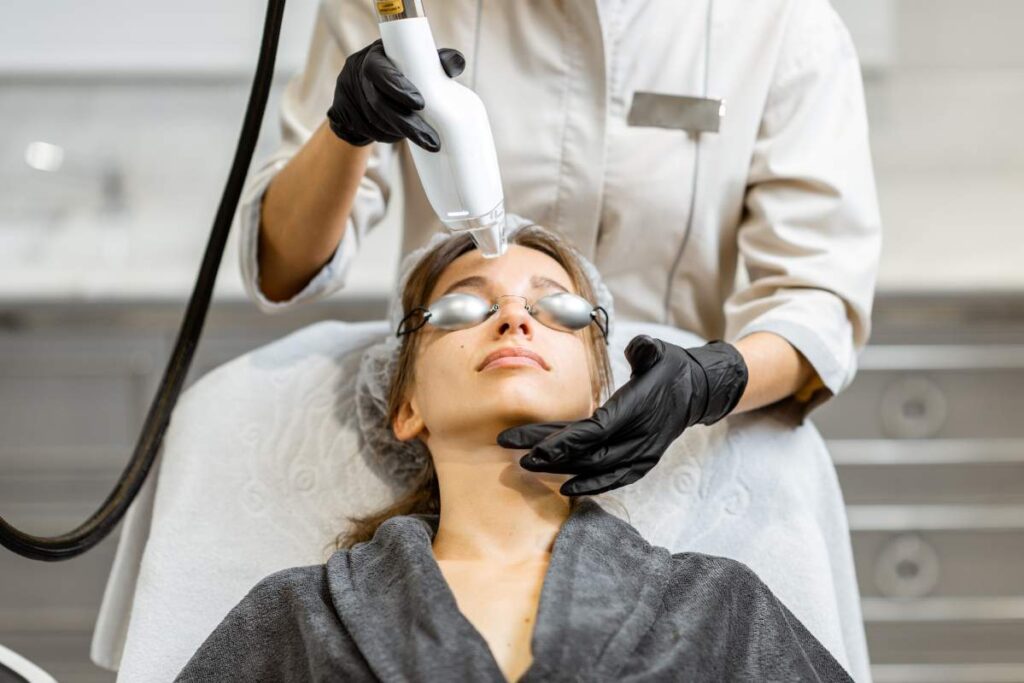
Medical aesthetics now includes more than traditional facials, chemical peels, and injections. Newer technologies use controlled light, heat, sound waves, electrical energy, or microscopic skin injury to address concerns such as uneven pigmentation, acne scars, fine lines, unwanted hair, skin laxity, and localized fat.
For residents of Colorado Springs, technology choices may also be affected by strong sun exposure, dry air, seasonal temperature changes, and outdoor routines. The most advanced device is not automatically the most appropriate option. Results depend on the condition being treated, skin type, medical history, device settings, and aftercare.
What counts as “cutting-edge” in medical aesthetics?
Cutting-edge usually means a newer or more precisely controlled approach, not necessarily a completely experimental one. Many modern systems are refinements of established technologies that now deliver energy more accurately, monitor skin temperature, or combine several treatment methods.
Common categories include:
- Laser and intense pulsed light treatments
- Radiofrequency and radiofrequency microneedling
- Ultrasound-based skin tightening
- Light-emitting diode, or LED, therapy
- Non-invasive body contouring
- Imaging and computer-assisted treatment planning
- Combination treatments that use more than one energy source
A device may be cleared for a specific use without being approved for every claim made in advertisements. “FDA-cleared,” “FDA-approved,” and “clinically proven” do not mean exactly the same thing. Consumers should ask what condition and treatment area the device was evaluated for.
How are lasers and light-based devices being improved?
Lasers produce concentrated wavelengths of light, while intense pulsed light uses a broader range of wavelengths. Both can affect pigment, blood vessels, hair follicles, or the outer layers of skin, depending on the device and settings.
Newer systems may offer:
- More precise wavelength selection
- Adjustable pulse duration and energy levels
- Cooling features to protect the surface of the skin
- Better targeting of redness, brown spots, or hair
- Fractionated treatment patterns that leave untreated skin between treatment zones
These improvements may shorten recovery for some procedures, but they do not remove the risk of burns, pigment changes, scarring, eye injury, or prolonged redness. People with darker skin tones may have a higher risk of post-treatment darkening or lightening with certain lasers and light devices. Device selection and conservative settings matter.
Colorado Springs residents may need to plan carefully around sun exposure. Recent tanning, outdoor recreation, or significant sun exposure can increase the chance of complications with some light-based treatments. Daily sun protection is also important after treatment because newly treated skin may be more sensitive.
What is radiofrequency microneedling, and why is it receiving attention?
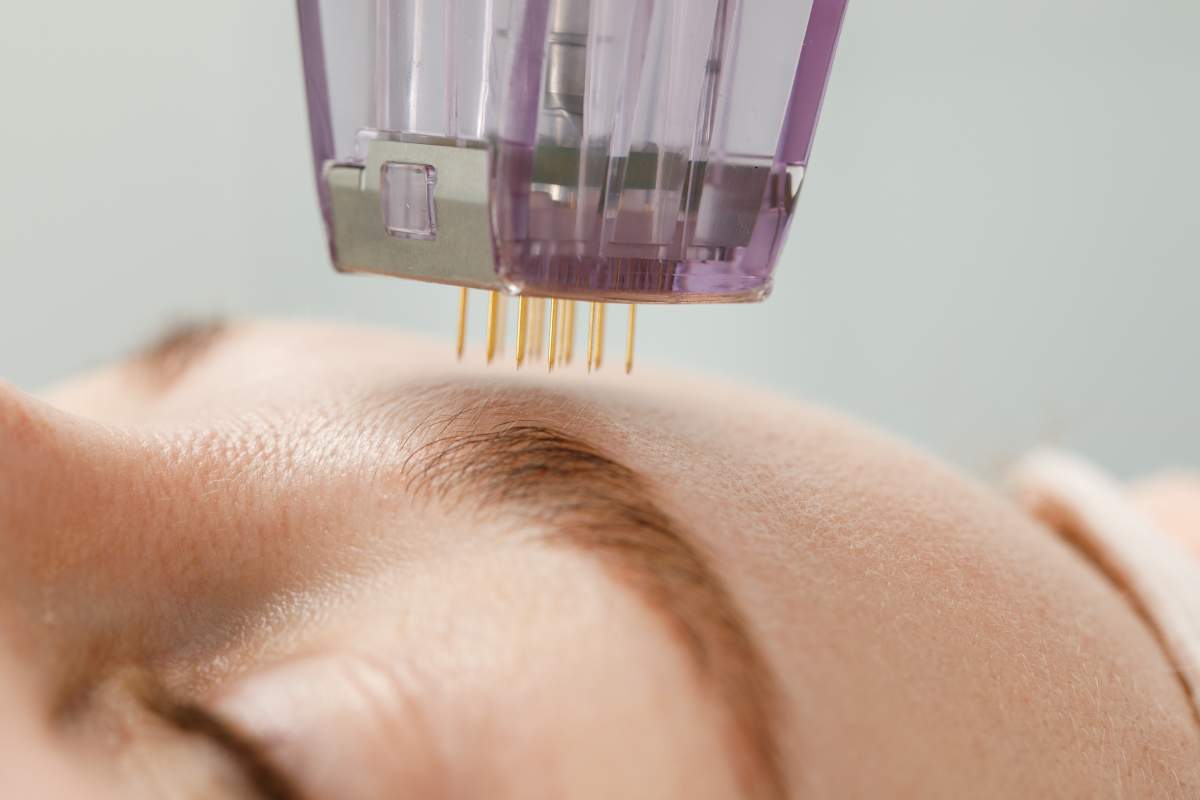
Radiofrequency microneedling combines tiny needles with heat delivered below the skin’s surface. The needles create controlled punctures, while radiofrequency energy warms targeted tissue. The intended result may include improved texture, acne-scar appearance, or mild tightening.
It is different from standard microneedling because heat is delivered through the needles. It is also not the same as a superficial facial treatment.
The technology requires particular caution. Reported complications from some uses include burns, scarring, fat loss, changes in facial contours, and nerve injury. These risks can be influenced by needle depth, energy level, treatment area, device design, and operator training. Radiofrequency microneedling devices should not be used at home.
Questions worth asking include:
- Which device is being used, and what uses has it been cleared for?
- What needle depth and energy settings are planned?
- Is a new cartridge used for every treatment?
- How are reusable components cleaned and disinfected?
- What symptoms would require prompt medical attention?
Standard microneedling also has risks, including bleeding, infection, cold-sore reactivation, pigment changes, and prolonged irritation. It may not be suitable for people with active skin infections, uncontrolled diabetes, certain autoimmune conditions, bleeding disorders, or recent use of some medications.
Can ultrasound and radiofrequency really tighten skin?
Ultrasound and radiofrequency devices use energy to heat deeper tissue without surgically removing skin. The goal is often gradual improvement in firmness rather than a dramatic lift.
Ultrasound focuses energy at selected depths. Radiofrequency creates heat through electrical energy. Some systems treat the surface, while others deliver energy deeper in the tissue. Outcomes vary, and neither technology duplicates the results of surgery.
Possible side effects include temporary swelling, tenderness, redness, numbness, or sensitivity. Inappropriate settings can cause burns or unwanted tissue changes. People with implanted electronic devices, metal in the treatment area, or certain medical conditions may need special screening.
A useful distinction is that “non-invasive” does not mean “risk-free.” It generally means that the skin is not cut open, but energy can still affect nerves, fat, blood vessels, and connective tissue.
What role does LED and low-level light therapy play?
LED and low-level light devices use relatively low-energy light rather than the intense energy used by many lasers. Different wavelengths are studied for effects related to acne, inflammation, wound healing, and hair growth.
These treatments are usually more gradual and less aggressive than resurfacing procedures. They may require repeated sessions, and results are not guaranteed. Eye protection may be necessary, particularly with bright or near-infrared systems.
LED therapy is sometimes presented as universally safe, but photosensitive conditions, light-sensitive medications, and certain eye concerns can change the risk profile. The intended use of the specific device matters.
Are non-invasive body contouring devices permanent?
Body-contouring technologies may use cooling, heat, radiofrequency, ultrasound, or low-level light to reduce the appearance of localized fat or improve skin firmness. They are not treatments for general weight loss and do not replace nutrition, physical activity, or treatment for medical obesity.
Results may develop gradually and can vary substantially. Some technologies affect fat cells, while others mainly create temporary tightening or muscle stimulation. Potential risks include pain, swelling, numbness, burns, contour irregularities, and, with some approaches, unexpected enlargement of treated fat rather than reduction.
People with hernias, implanted devices, reduced sensation, recent surgery, or certain skin conditions may need to avoid particular body-contouring procedures.
How should residents evaluate a new aesthetic technology?
The most useful evaluation focuses on safety, evidence, and fit rather than novelty. Before treatment, ask:
- What specific concern is this technology intended to address?
- What improvement is realistic, and how long might it last?
- How many treatments are commonly needed?
- What is the expected recovery period?
- What are the common and serious risks?
- Has the device been evaluated for this body area and skin type?
- What alternatives have different risks or recovery requirements?
- What happens if a complication develops?
A qualified medical assessment is especially important when a concern could be caused by a skin disease, infection, medication, hormonal change, or another health condition. Aesthetic devices should not be used to delay evaluation of a changing mole, unexplained rash, persistent wound, or new lump.
The strongest technology is not always the newest console or the most powerful setting. In medical aesthetics, careful screening, accurate diagnosis, appropriate device selection, controlled settings, sterile technique, eye protection, realistic expectations, and thoughtful aftercare are often more important than technological novelty.